
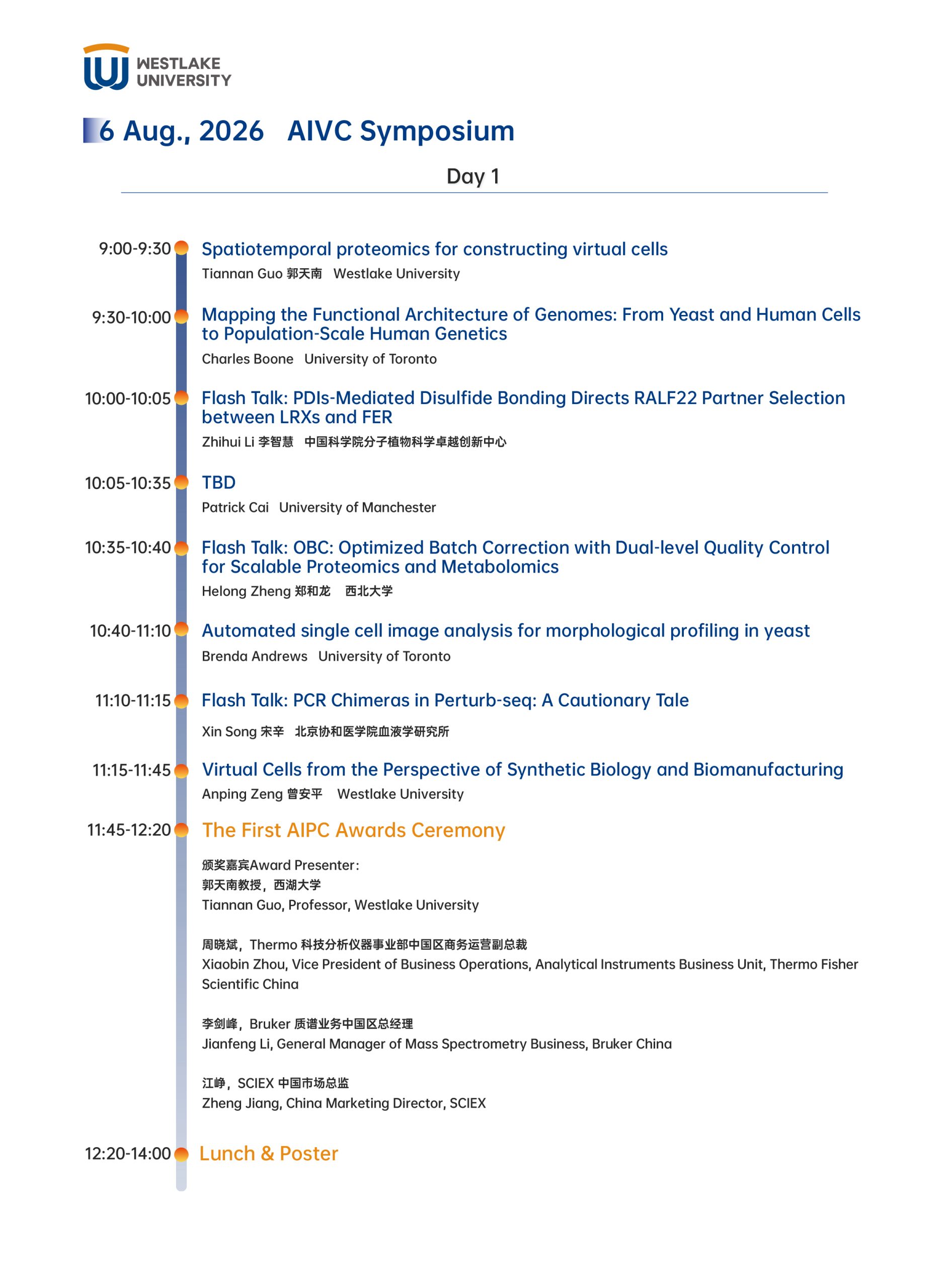
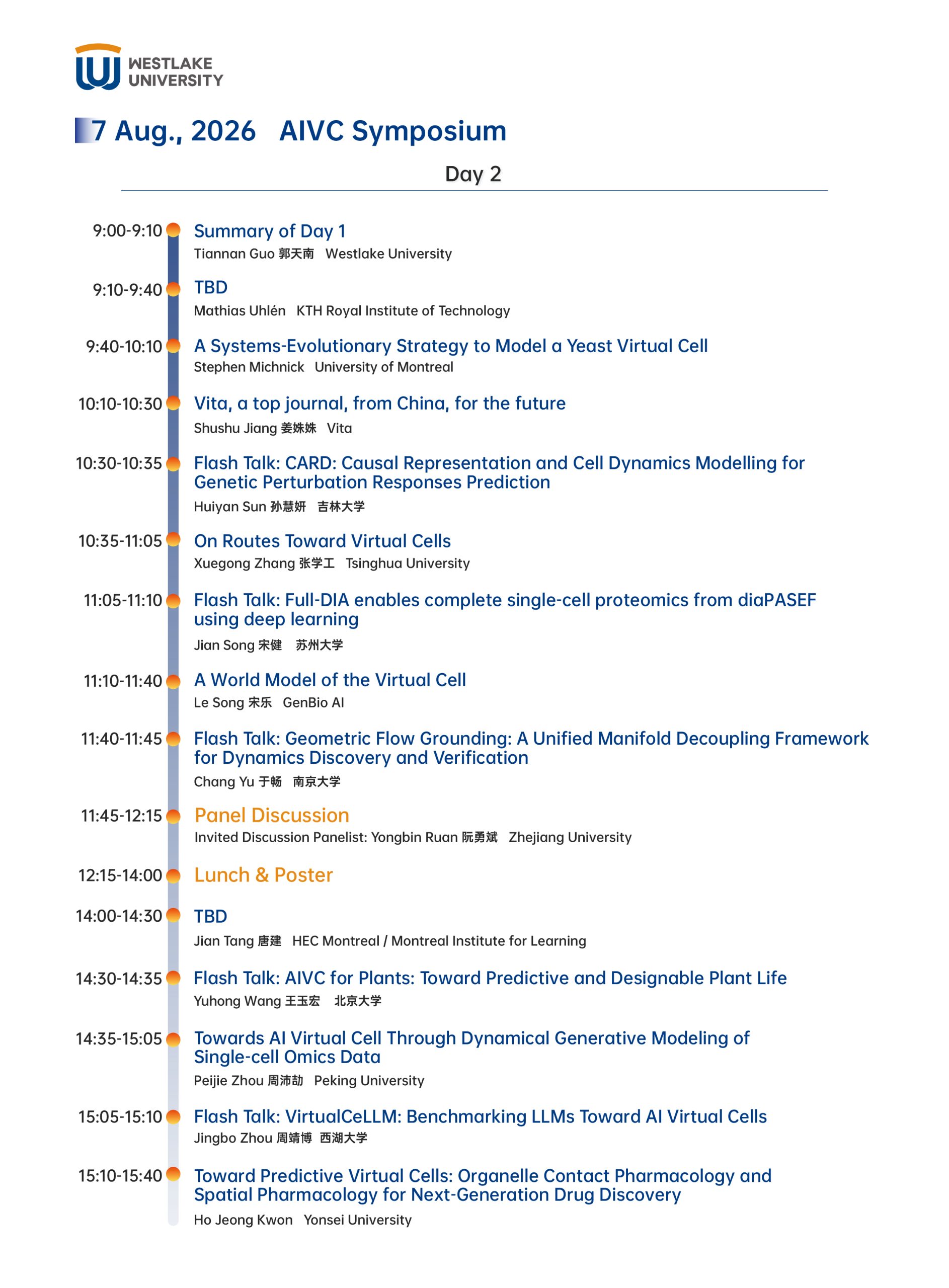
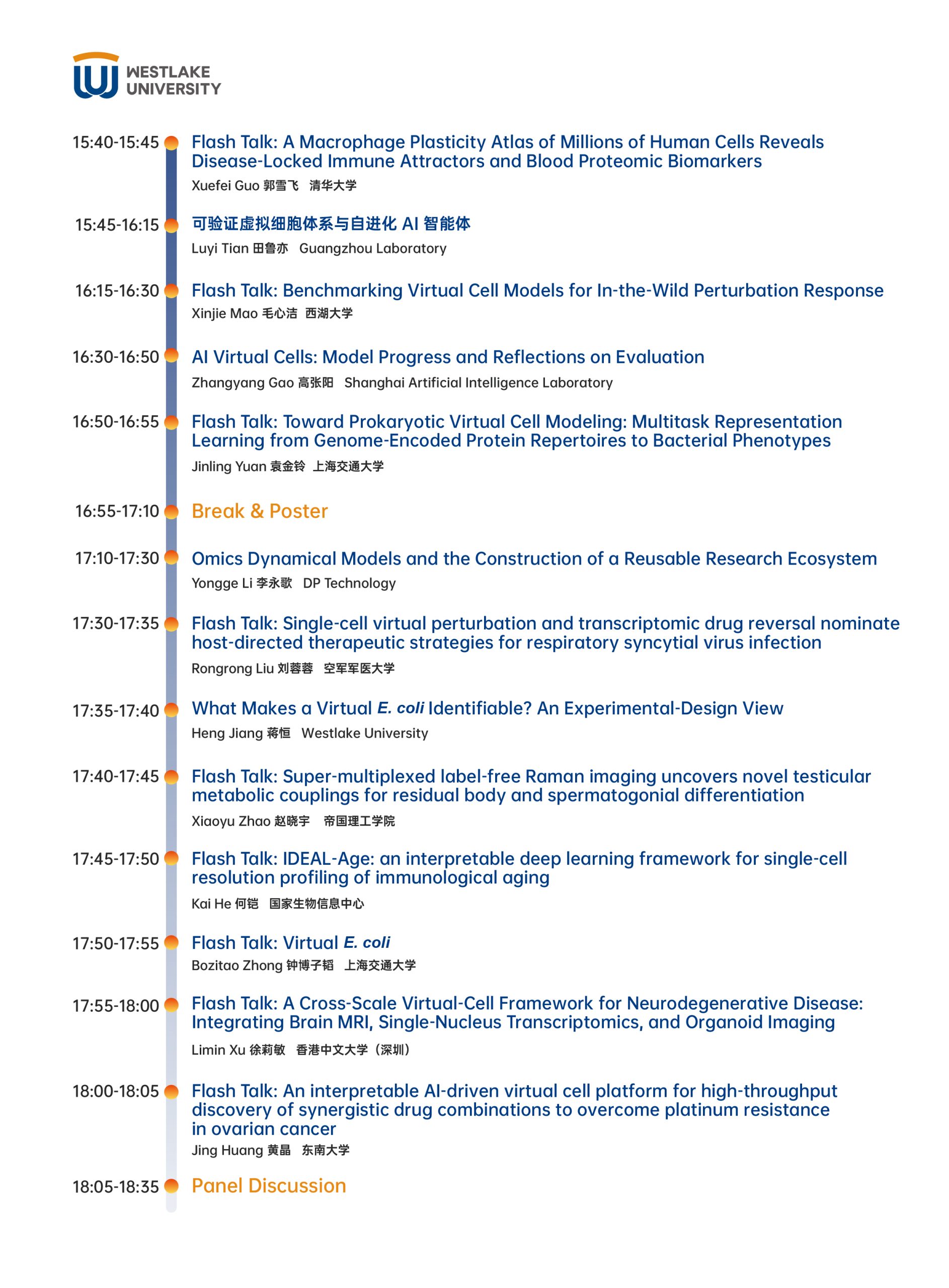
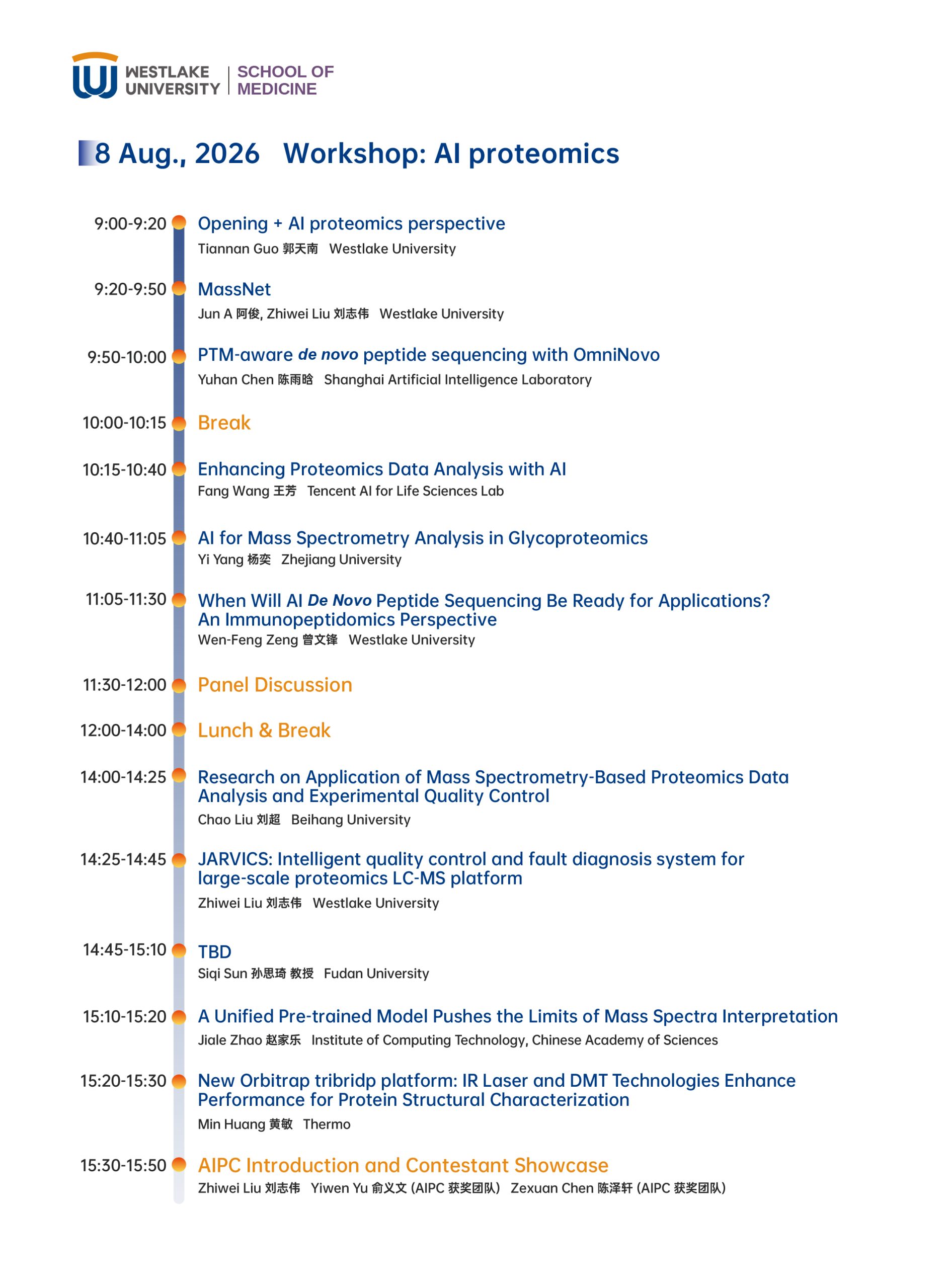
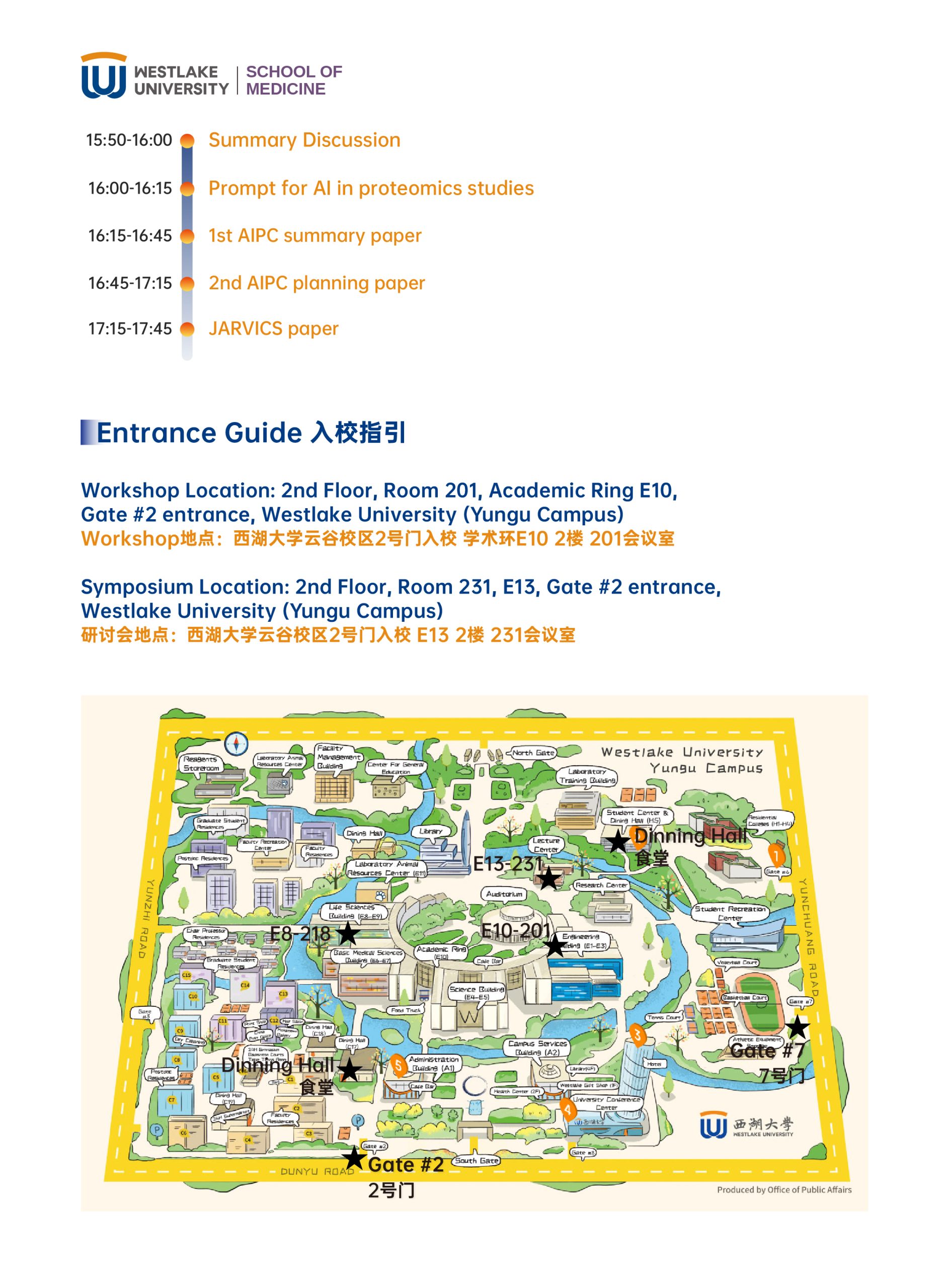
郭天南 Tiannan Guo,西湖大学 Westlake University
个人简介:
报告题目:Spatiotemporal proteomics for constructing virtual cells
报告摘要:TBD
————————————————
Mathias Uhlén,KTH Royal Institute of Technology
个人简介:Dr Uhlen received his PhD in chemistry at the Royal Institute of Technology (KTH), Stockholm, Sweden in 1984. After a post-doc period at the EMBL in Heidelberg, Germany, he became professor at KTH in 1988. His research has resulted in more than 800 peer-reviewed publications leading to more than 120,000 academic citations with an h-index of 147 (Google Scholar). His focus in science has been technology- and data-driven research, involving protein science, antibody engineering, AI-based systems biology and precision medicine. A list of selected scientific achievements are shown below.
Dr Uhlen has been the Director of the Human Protein Atlas program since the launch in 2003 and was the Founding Director the Science for Life Laboratory (SciLIfeLab) between 2010 and 2015. He is member of the Royal Swedish Academy of Engineering Science (IVA), the Royal Swedish Academy of Science (KVA), the National Academy of Engineering (NAE) in USA and the European Molecular Biology Organization (EMBO). He was the President of the European Federation of Biotechnology (EFB) from 2015 to 2019 and he was the Vice-President of the Royal Institute of Technology (KTH) from 1999 to 2001. He is the co-initiator of the annual KTH Innovation Award established in 2020 and the Science and SciLifeLab Prize for Young Scientists established in 2013. He is Honorary Doctor at Chalmers University, Sweden (2011) and Rouen University, France (2020).
报告题目:TBD
报告摘要:TBD
————————————————
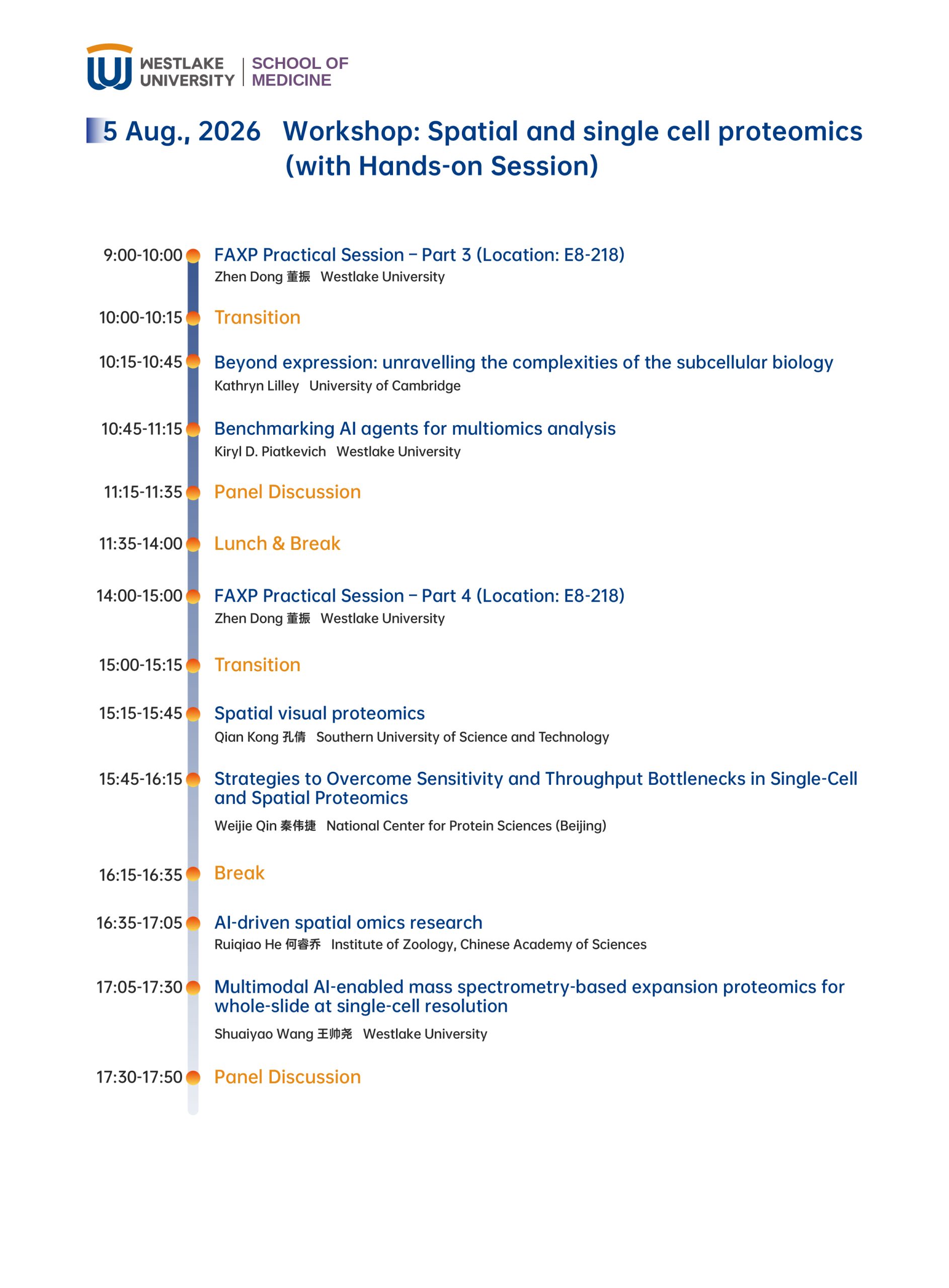
Kathryn Lilley,University of Cambridge
个人简介:Kathryn received her BSc and PhD in Biochemistry from the University of Sheffield. Following eleven years as a laboratory manager at the University of Leicester, she established the Cambridge Centre for Proteomics at the University of Cambridge in 2001. In 2012, she was appointed Professor of Cellular Dynamics in the Department of Biochemistry at the University of Cambridge, and since 2023 has served as deputy head of department for research.
Her contributions to the field have been recognized through prestigious awards, including the Juan Pablo Albar Proteome Pioneer Award from the European Proteomics Association in 2017 and the HUPO Distinguished Achievement in Proteomics Award in 2018. She was elected as a member of EMBO in July 2020 and to Academia Europaea in May 2023.
Kathryn directs a research programme focused on developing and applying cutting-edge technologies to map RNA and protein subcellular localization across entire cells. Her research examines how post-transcriptional and post-translational processing affect cellular location, as well as the extent of relocalization that occurs in response to cellular stress and disease. She is also interested in understanding the fundamental rules governing protein abundance and stability.
Her dynamic research group develops specialized data analysis pipelines for spatial proteomics, supported by fully maintained open-access software. Her group applies these innovative methods across diverse biological systems, from vaccine safety studies to investigating protein stability in extremophiles.
报告题目:Beyond expression : unravelling the complexities of the subcellular biology
报告摘要:Biological systems function through intricate regulatory networks that extend far beyond simple changes in protein abundance. These networks operate across multiple layers of multi-omics control, encompassing non-coding RNA regulation, post-transcriptional and post-translational modifications, and dynamic subcellular localization—many of which depend on the interplay between proteins and RNA molecules. A comprehensive understanding of these multi-layered systems is essential to fully elucidate biological processes.
Adding to this complexity, many proteins carry out unrelated, "moonlighting" functions, with subcellular location often serving as the key driver of which function a protein performs¹. These alternate roles are shaped heavily by a protein's biomolecular interactions and modification status.
This presentation emphasizes the importance of studying proteome-wide responses to cellular perturbation through the lens of spatial redistribution, rather than abundance alone—an exclusive focus on the latter risks overlooking critical cellular responses². I will present methods for capturing protein localization as a function of isoform identity and post-translational modification status³,⁴.
I will also explore how RNA-protein interactions shift dynamically during key cellular transitions⁵, and introduce a novel methodology enabling simultaneous, whole-cell mapping of both protein spatial distribution and RNA transcript localization⁶. Using this approach, I will demonstrate the coordinated translocation of RNA and protein during activation of the unfolded protein response (UPR), offering new insight into RNA trafficking to stress granules under cellular stress.
————————————————
Charles Boone,University of Toronto
个人简介:Dr Boone received his Ph D in Biology from McGill University and completed postdoctoral studies at the Institute of Molecular Biology, University of Oregon. Currently, he is a professor at the University of Toronto, Donnelly Centre. Dr. Boone also has an appointment as a team leader in the RIKEN Centre for Sustainable Resource Science. He is recognized for his invention of innovative methods for large-scale mapping of genetic and chemical-genetics networks in the yeast model system. Dr. Boone received the Genetics Society of America (GSA) Edward Novitski Prize, creativity in genetics.
报告题目:TBD
报告摘要:TBD
————————————————
Brenda Andrews,University of Toronto
个人简介:Brenda Andrews is a University Professor and Canada Research Chair in Systems Genetics & Cell Biology in the Donnelly Centre and the Department of Molecular Genetics at the University of Toronto. She served as Chair of the Department of Medical Genetics (now Molecular Genetics, 1999-2004) and the Banting & Best Department of Medical Research (2004-2014) and was also the inaugural Director of the Donnelly Centre (2004-2020). She continued as Director of the Donnelly Centre and Charles H Best Chair of Medical Research until 2020. Dr. Andrews’ current research interests include analysis of genetic interaction networks in budding yeast and mammalian cells, using high through-put genetics platforms that include high content microscopy for systematic analysis of cell biological phenotypes. Dr. Andrews is a Companion of the Order of Canada, an elected Fellow of the Royal Society of Canada, the American Association for the Advancement of Science and the American Academy of Microbiology, and an International Member of the National Academy of Sciences (USA).
报告题目:Automated single cell image analysis for morphological profiling in yeast
报告摘要:TBD
————————————————
Pouya Faridi,Monash University
个人简介:Associate Professor Pouya Faridi is a leading researcher in immunopeptidomics and cancer immunotherapy at Monash University and the Hudson Institute of Medical Research, Australia. His work focuses on the discovery of HLA-presented antigens and the development of next-generation precision immunotherapies, including cancer vaccines and T cell–based therapies. He has pioneered several technologies for antigen discovery and has published extensively in leading journals, contributing to the translation of immunopeptidomics into clinical applications.
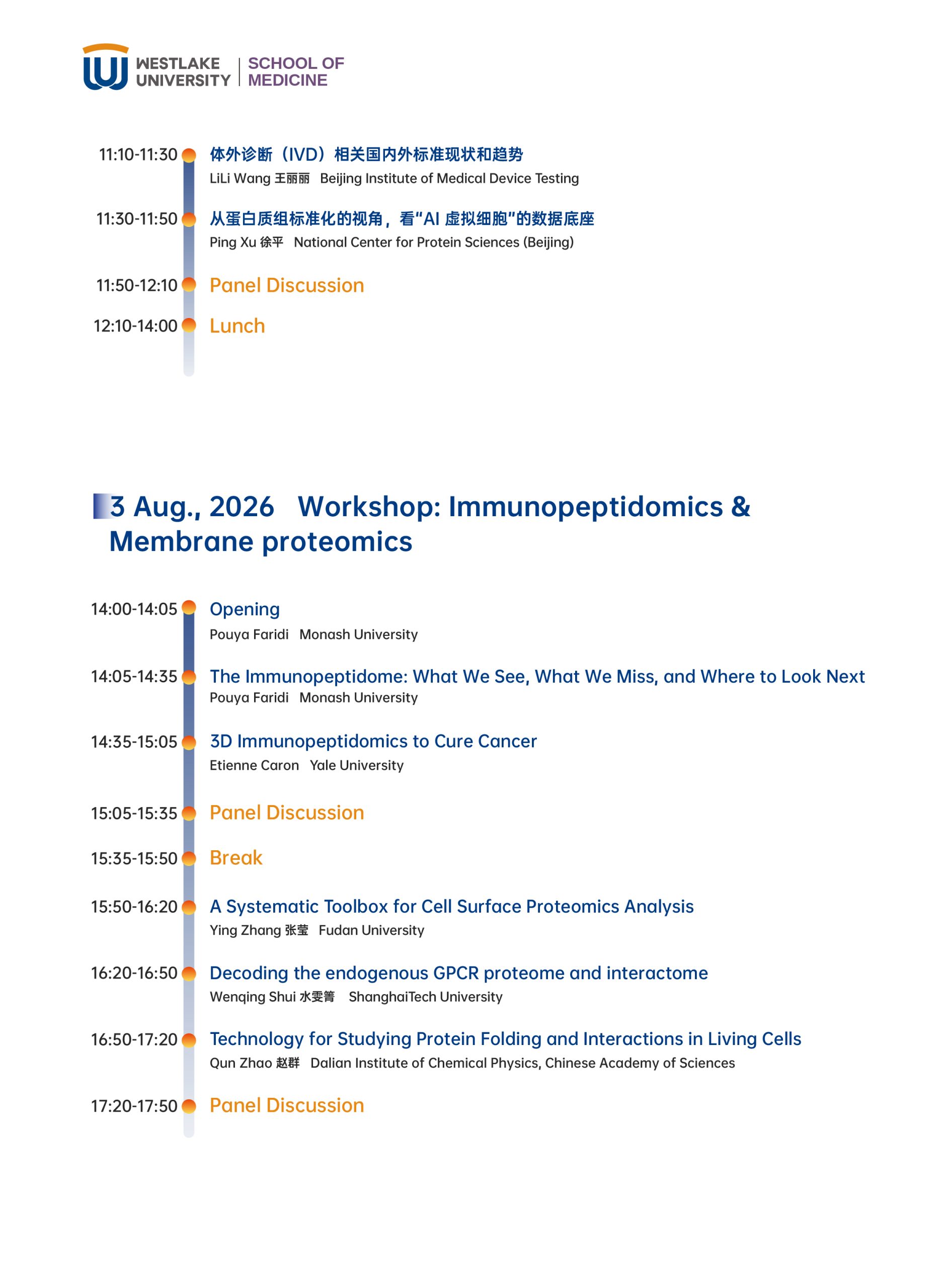
报告题目:The Immunopeptidome: What We See, What We Miss, and Where to Look Next
报告摘要:Immunopeptidomics has fundamentally transformed our ability to directly characterise the repertoire of peptides presented by HLA molecules, providing an unprecedented window into immune recognition in health and disease. Technological advances in mass spectrometry, bioinformatics, and high-throughput sample processing have enabled the identification of hundreds of thousands of HLA-bound peptides across diverse biological systems, accelerating discoveries in cancer, infectious diseases, autoimmunity, and transplantation.
Despite this progress, current immunopeptidomic investigations capture only a fraction of the antigenic landscape. Most studies remain focused on classical HLA class I molecules analysed from tissue specimens, while other dimensions of antigen presentation remain comparatively underexplored. These include soluble HLA complexes, non-classical HLA molecules, temporal changes in antigen presentation induced by therapy or disease progression, and context-dependent immunopeptidomes that may reveal biologically and clinically important information inaccessible through conventional approaches.
Expanding immunopeptidomic analyses across molecular, spatial, and temporal dimensions is increasingly revealing previously hidden antigen repertoires and challenging established assumptions regarding antigen presentation. These advances are reshaping our understanding of immune surveillance, broadening opportunities for biomarker discovery, and enabling the identification of novel targets for immune intervention. Continued integration of emerging technologies and biological models will be essential for constructing a more complete map of the immunopeptidome and realising its full potential across biomedical research and precision medicine.
————————————————
张莹 Ying Zhang,复旦大学 Fudan University
个人简介:张莹,复旦大学化学系/卫健委糖复合物重点实验室教授,博士生导师, 教育部青年长江学者,上海市浦江人才,上海市青年科技启明星。主要从事基于生物质谱的蛋白质组学和糖组学研究,基于质谱技术发展生命体系分析方法以及开展其应用研究,包括1)开发化学标记方法,实现蛋白质糖基化的深度覆盖和准确定量及用于临床相关疾病生物标志物的发现。2)开发化学蛋白质组学方法,系统探索糖基化介导的动态相互作用,以及挖掘功能蛋白及其位点。以通讯作者(含共同)发表包括 J Am Chem Soc,Angew Chem, Nat Commun等在内的50余篇SCI论文;主持科技部重点研发项目(课题组长)、重大科学仪器开发项目应用课题(课题组长)、国家自然科学基金重大研究计划(培育项目)及面上项目等科研项目。
Dr. Ying Zhang is a professor in the Department of Chemistry at Fudan University. Her current research primarily focuses on mass spectrometry-based proteomics and glycomics, developing novel analytical methodologies for biological systems and conducting applications. The main research directions include: (1) developing chemical labeling methods to achieve deep coverage and accurate quantification of protein glycosylation, and applying these methods for the discovery of clinically relevant disease biomarkers; (2) developing chemoproteomic approaches to systematically investigate glycosylation-mediated dynamic interactions and discover functional proteins and their modification sites.. She has authored over 50 SCI-indexed publications as corresponding author in journals including J Am Chem Soc, Angew Chem Int Ed, Nat Commun, Nat Prot, and others, and has been honored as a “Young Yangtze River Scholar” and a “Shanghai Pujiang Talent”.
报告题目:细胞表面蛋白质组分析策略 A Systematic Toolbox for Cell Surface Proteomics Analysis
报告摘要:细胞表面蛋白质组在细胞通讯、信号转导及病原体侵染中发挥核心作用,但其高特异解析仍面临挑战。本报告中将介绍我们开发的系列细胞表面蛋白质组分析策略,包括针对细胞表面可成药靶点的鉴定建立了化学蛋白组组学策略GASF(Global Analysis of Surface Functionality ),绘制迄今最大细胞表面赖氨酸反应性图谱,发现多个位于相互作用界面的高反应性功能位点。针对病毒受体发现,开发了酪氨酸酶介导的细胞表面蛋白快速生物素化和富集策略TYRCSL(Ultrafast Tyrosinase-Mediated Biotinylation of Living Cell Surface),实现活细胞表面超快速、低毒性标记和高效富集,成功鉴定PODXL2、CNTNAP1和GPR39为甲型流感病毒入侵必需的新受体。进一步发展的LiFT(Living Cell Surfacome Lysine Footprinting)策略,通过分析细胞表面赖氨酸可及性变化,实现组学级别配体诱导构象变化图谱绘制,为广泛发现细胞表面配-受体功能提供了新策略。
The cell surface proteome (surfaceome) plays a central role in cellular communication, signal transduction, and pathogen infection; however, its high-specificity analysis remains challenging. In this report, we will present a series of cell surface proteome analysis strategies developed by our group. For the identification of druggable surface targets, we established a chemoproteomic strategy named GASF (Global Analysis of Surface Functionality), which generated the largest to-date reactivity map of cell surface lysine residues and revealed multiple hyper-reactive functional sites located at protein-protein interaction interfaces. For the discovery of viral receptors, we developed TYRCSL (Ultrafast Tyrosinase-Mediated Biotinylation of Living Cell Surface), a tyrosinase-mediated rapid biotinylation and enrichment strategy that enables ultrafast, low-toxicity labeling of live cell surface proteins. Using TYRCSL, we successfully identified PODXL2, CNTNAP1, and GPR39 as novel receptors essential for influenza A virus entry. Furthermore, we developed the LiFT (Living Cell Surfacome Lysine Footprinting) strategy, which maps ligand-induced conformational changes at the proteome level by analyzing changes in lysine accessibility, providing a new strategy for the widespread discovery of cell surface ligand-receptor functions.
————————————————
水雯箐,上海科技大学 ShanghaiTech University
个人简介:Dr. Shui is full professor in School of Life Science and Technology, ShanghaiTech University, China. She obtained B.S. and M.S. from Fudan University, and PhD from UC Berkeley. Dr. Shui leads a group of GPCR Chemical Biology & Proteomics at iHuman Institute of ShanghaiTech University. Her group focuses on developing chemical biology and proteomics approaches for G protein-coupled receptor (GPCR) functional and structural proteomic studies. Her research has led to the discovery of novel GPCR ligands and potential GPCR targets associated with metabolic or neurological diseases. Shui group has published over 90 peer-reviewed articles in journals including Nature, Science, Nat Chem Bio, JACS, ACS Cent Sci, Nat Commun, et al..
报告题目:Decoding the endogenous GPCR proteome and interactome
报告摘要:G protein-coupled receptors (GPCRs) mediate signal transduction across cell membranes and represent a major class of therapeutic targets on the cell surface associated with various human diseases. Due to their transmembrane topology, poor stability and low membrane abundance, most of GPCR proteins are under-detected in conventional proteome profiling studies. Moreover, weak and transient interactions between GPCRs and other cell membrane proteins are even more difficult to capture especially for the endogenous receptor in a native context. To address these challenges, we have been developing experimental and bioinformatic workflows tailored to GPCR proteome and interactome mapping in cells or tissues natively expressing these membrane receptors. Deep and quantitative profiling of the GPCR proteomic distribution and dynamics led to the discovery of several potential targets for the treatment of psychiatric or metabolic disorders such as depression and obesity. Interrogating GPCR interactome by ligand-directed proximity labeling identified new functional regulators of receptor-mediated signaling and responses in physiologically relevant cells.
————————————————
Etienne Caron,耶鲁大学 Yale University
个人简介:Dr. Caron earned his PhD at the University of Montreal under Dr. Claude Perreault, followed by postdoctoral training at ETH Zürich with Dr. Ruedi Aebersold. A pioneer in his field, he launched the Human Immunopeptidome Project, serving as Chair from 2015 to 2020. After starting his independent career as a Principal Investigator at the University of Montreal in 2018, Dr. Caron joined Yale School of Medicine in 2023. He currently holds appointments in the Department of Immunobiology, the Yale Center for Immuno-Oncology, the Yale Center for Infection and Immunity, and the Yale Center for Systems and Engineering Immunology. In 2025, he was selected as a recipient of the prestigious NIH Director’s New Innovator Award, which recognizes early-stage investigators of exceptional creativity.
报告题目:3D Immunopeptidomics to Cure Cancer
报告摘要:The quest for a definitive cancer cure hinges on the immune system's ability to discriminate between "self" and "non-self." This presentation explores how advanced 3D immunopeptidomics may revolutionize our understanding of T cell recognition. By leveraging high-resolution mass spectrometry and AI-powered tools like MHCBooster, we have achieved unprecedented coverage of the immunopeptidome, moving toward single-cell and spatial resolution. A primary focus is the discovery of fusion neoantigens in pediatric cancers. Our research demonstrates that in-frame fusion oncoproteins, such as ETV6-RUNX1, provide stable, targetable signals that are processed and presented as "non-self" to T cells. However, effective immunotherapy requires a holistic view; thus, we introduce the first Immunopeptidome Atlas to define the "self" landscape. This data reveals that the proximity of tumor peptides to the self-background dictates immune responsiveness and escape. Furthermore, we delve into 3D structural immunopeptidomics to quantify TCR cross-reactivity and cross-talk. By integrating these structural insights, we envision to better predict beneficial cross-reactivity, as seen in successfully treated melanoma patients. Ultimately, understanding the dynamic composition and stability of the self-immunopeptidome provides a roadmap for the next generation of personalized cancer vaccines and T-cell therapies.
————————————————
赵群 Qun Zhao,中国科学院大连化学物理研究所 Dalian Institute of Chemical Physics, Chinese Academy of Sciences
个人简介:赵群,中国科学院大连化学物理研究所研究员,博士生导师,获2023年国家基金委优秀青年基金支持。2014年博士毕业于中国科学院大连化学物理研究所,导师张玉奎院士和张丽华研究员。毕业后留所工作至今,主要从事蛋白质组定性定量及相互作用分析新技术研究,共发表SCI论文72篇,其中近五年以通讯/第一作者(含共同)在Nat. Chem., Nat. Commun., Angew. Chem. Int. Ed., PNAS, Anal. Chem.等发表论文30篇;已获22项发明专利授权。作为负责人承担国家重点研发计划课题、国家自然科学基金面上基金、中国科学院先导B子课题等;2018年入选大连市科技之星,2020年入选中国科学院青年促进会会员,2023年获中国化学会菁青化学新锐奖;2024入选大连市杰出青年;入选JPR-2024 Rising Stars in Proteomics and Metabolomics;2025 年入选辽宁省“兴辽人才计划”青年拔尖人才;兼任《色谱》青年编委、《分析测试学报》青年编委、中国化工学会理事、中国蛋白质组学会青年委员等。
报告题目:活细胞中蛋白质折叠与相互作用解析新技术 Technology for Studying Protein Folding and Interactions in Living Cells
报告摘要:在细胞微环境中,蛋白质通过动态构象变化与特异性相互作用组装成功能复合物,从而精确调控其生物学功能。为了在接近生理状态的细胞功能微环境中解析此类动态过程,原位化学交联质谱技术(in vivo XL‑MS)已发展成为一种有效的研究工具,能够对细胞内蛋白质复合物进行动态构象分析,进而精确解析蛋白质相互作用网络的时空组织特征。为实现对蛋白质复合物在细胞微环境中时空动态性的精准表征,高通量揭示其在生理与病理状态下的组装界面,我们研制了一系列新型、高生物相容性、细胞渗透性的多功能交联剂,建立了兼具高选择性与高回收率的交联肽段生物正交富集方法,以及高可信度的交联肽段鉴定策略。这些技术显著提升了原位交联分析的覆盖度与精准度,成功实现了在活细胞乃至原代细胞中可靠捕获瞬时的、低丰度的蛋白质相互作用。
在此基础上,我们将原位交联的应用由细胞水平进一步拓展至复杂组织水平,构建了适用于脑组织等高度异质环境的低扰动交联体系。脑组织内神经元与胶质细胞类型多样、突触连接密集,且蛋白质构象与互作状态对外界干预极为敏感,如何在保留天然微环境的前提下最小化处理过程带来的构象扰动,是组织原位解析的关键。我们发展的策略在保证交联效率的同时,有效维持了蛋白复合物的天然构象与原位互作状态,从而实现了小鼠不同脑区蛋白质相互作用图谱的系统解析。我们以阿尔茨海默病(AD)模型小鼠不同月龄(3、6、12月)为对象,分别对海马、皮层及丘脑等关键脑区进行原位交联分析,揭示了蛋白质相互作用网络随月龄增长的特征性演变规律及不同脑区之间互作模式的显著差异。这些高置信度的原位互作数据,为理解神经退行性病变中的区域易感性提供了分子层面的参考,也验证了该技术在解析复杂组织异质性方面的适用性。
通过整合基于邻近标记的细胞器靶向富集技术,我们进一步将蛋白质相互作用图谱的分辨率提升至亚细胞尺度,并以PTEN在化疗应激下发生核质穿梭的过程为例,系统刻画了其互作网络的时空动态变化。此外,我们还开发了可同步实现富集与定量分析的交联体系,成功解析了砷酸钠刺激下应激颗粒的组装与重塑过程,发现了大量此前未报道的高置信度互作。综上,我们开发的 in vivoXL‑MS平台能够在空间与定量维度上解析动态蛋白质相互作用网络,实现了从细胞到组织的跨越,为在生理相关背景下研究细胞适应、应激反应及相关分子机制,提供了一个高保真、高空间分辨率的原位相互作用分析工具。
Proteins assemble into functional complexes through dynamic conformational changes and specific interactions, thereby regulating biological functions. To analyze these processes in near-physiological cellular environments, in vivo chemical cross-linking mass spectrometry (in vivo XL-MS) has become an effective tool for characterizing the spatiotemporal organization of protein interaction networks. To enable precise analysis of the spatiotemporal dynamics of protein complexes and high-throughput identification of their assembly interfaces under physiological and pathological conditions, we developed a series of multifunctional cross-linkers with high biocompatibility and cell permeability, established a highly selective and efficient bioorthogonal enrichment method for cross-linked peptides, and devised a high-confidence identification strategy. These advances significantly improved the coverage and accuracy of in vivo cross-linking analysis, enabling reliable capture of transient and low-abundance protein interactions in living and primary cells.
We further extended in vivo cross-linking from cells to complex tissues by developing a minimally perturbative cross-linking system for highly heterogeneous environments such as brain tissue. This strategy preserved the native conformations and interaction states of protein complexes while maintaining cross-linking efficiency, enabling systematic analysis of protein interaction maps across different mouse brain regions. Using an Alzheimer’s disease (AD) mouse model at 3, 6, and 12 months of age, we analyzed key brain regions including the hippocampus, cortex, and thalamus, revealing age-dependent changes in protein interaction networks and distinct interaction patterns among brain regions. These high-confidence in situ interaction data provide molecular insight into regional vulnerability in neurodegeneration and demonstrate the utility of this approach for studying heterogeneity in complex tissues.
By integrating organelle-targeted enrichment based on proximity labeling, we further improved protein interaction mapping to the subcellular level. Using PTEN nucleocytoplasmic shuttling under chemotherapeutic stress as an example, we characterized the spatiotemporal dynamics of its interaction network. We also developed a cross-linking system for simultaneous enrichment and quantitative analysis, and used it to resolve the assembly and remodeling of stress granules under sodium arsenite stimulation, identifying many previously unreported high-confidence interactions. Overall, our in vivo XL-MS platform enables spatially and quantitatively resolved analysis of dynamic protein interaction networks from cells to tissues, providing a high-fidelity and high-resolution tool for studying cellular adaptation, stress responses, and related molecular mechanisms in physiologically relevant contexts.
————————————————
王晶 Jing Wang,中国计量科学研究院 National Institute of Metrology, China
个人简介:王晶,博士,研究员。中国计量科学研究院生物计量创新团队带头人,创建了国家生物计量学科。主要从事食品质量安全、生物安全和生命科学领域等生物计量-标准的工作和研究。国际计量委员会CCQM生物分析工作组委员,MBSG微生物定量工作组联合主席,ISO生物技术工作组专家组成员。亚太计量规划组织(APMP)成员,国际标准化组织ISO/TC276生物技术标准化注册专家,正主导合成基因(组)国际标准制定。中国计量测试学会生物计量专业委员会常务副主任委员/秘书长,全国生物计量技术委员会秘书长,国家标准委生物技术标准化专家咨询组秘书,总局科技委专业委委员等。主持承担完成“十五”“十一五”“十二五”国家科技攻关项目、支撑项目、基础性专项、基础条件平台,国家重大专项,国际合作项目,标准专项和食品安全专项等项目课题,形成包括核酸/基因、蛋白、微生物、细胞、生物活性成分等生物测量标准60多项,国家标准13项发布实施,著作4部。获省部级科学技术奖5项,“国家核酸蛋白精准计量溯源传递关键技术和标准物质研究”获2016年中国计量测试学会科技进步奖一等奖。现主持“十三五”国家重点研发计划“生物安全关键技术研发重点专项”项目。
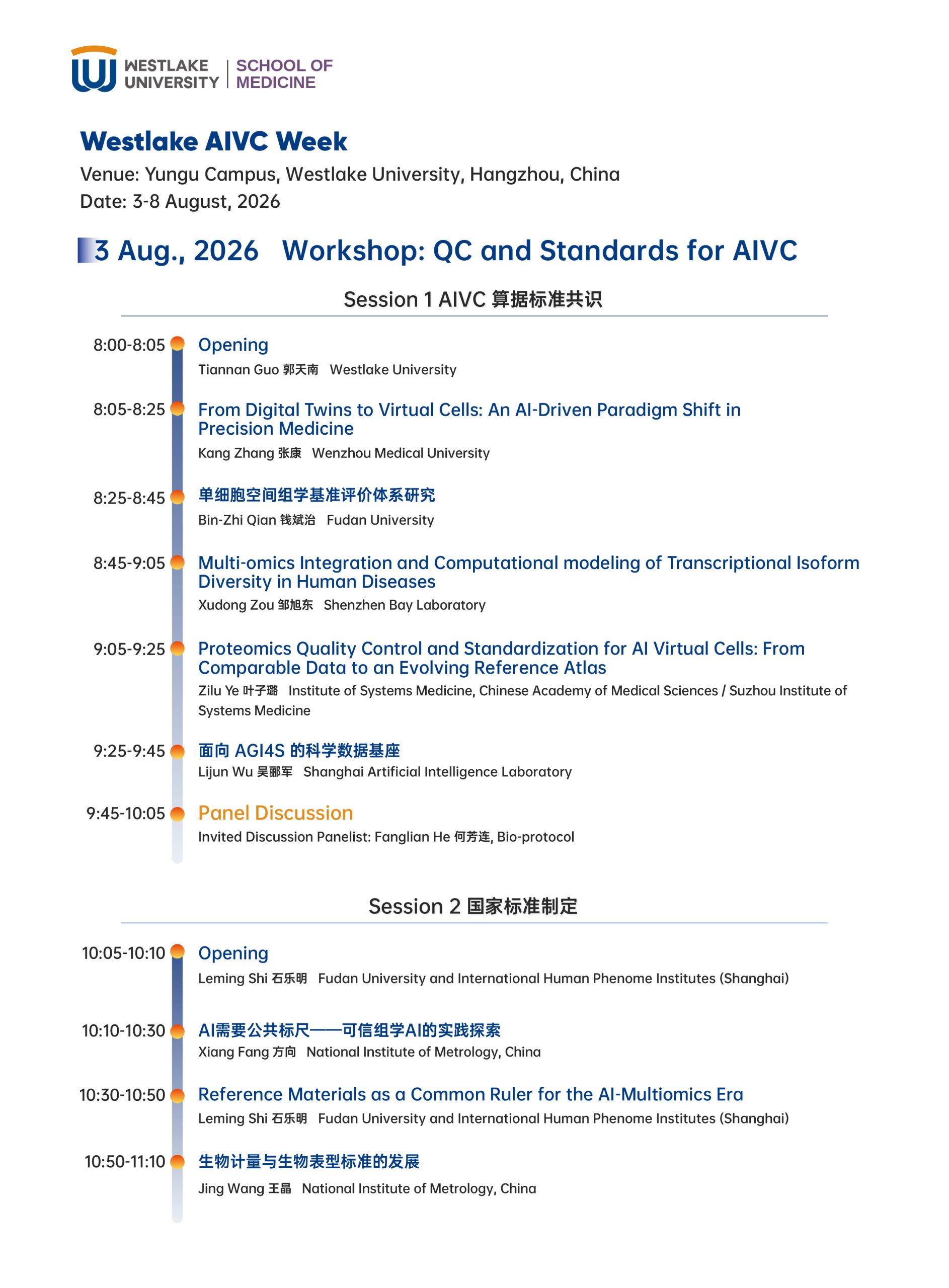
报告题目:生物计量与生物表型标准的发展
报告摘要:报告介绍生物计量,生物表型的发展。生物计量是生物测量及其应用的科学,其科学研究成果支持生物数据可比性、有效性和溯源性。当前,关于生物体(动物、植物、微生物等)受基因和环境共同影响,表现出可观测性状特征的生物表型,其生物表型测量涉及农业、食品、医疗、健康等多领域,对生物计量与生物测量标准提出了需求。报告阐述生物表型标准体系的概况,围绕生物表型术语定义及分类基础标准、生物表型(组)精准测量和计量标准、生物表型-分子表型(组)标准数据质量要求标准等方面的标准进行探讨。
The report outlines the development of biometrology and biological phenotype. Biometrology is the science of biological measurement and its applications. It supports the comparability, validity and traceability of biological data. Biological phenotypes are observable trait characteristics of an organism (animal,plant,microorganism,etc.) with a specific genotype,which is affected by both genes and environment. Biological phenotype measurement involves many fields, which including cellular phenotype, tissular phenotype, organic phenotype, behavioral phenotype,molecular phenotype, et al. The report provides an overview of the biological phenotype standard system, covering terminology definitions, classification frameworks, measurement methods and metrological standards, as well as quality requirements for standardized data on biological phenotypes, for example quality requirement for molecular phenotype data(genome,proteome,metabolome,etc).
————————————————
王丽丽,北京市医疗器械检验研究院 Beijing Institute of Medical Device Testing
个人简介:
报告题目:生物计量与生物表型标准的发展
报告摘要:报告介绍生物计量,生物表型的发展。生物计量是生物测量及其应用的科学,其科学研究成果支持生物数据可比性、有效性和溯源性。当前,关于生物体(动物、植物、微生物等)受基因和环境共同影响,表现出可观测性状特征的生物表型,其生物表型测量涉及农业、食品、医疗、健康等多领域,对生物计量与生物测量标准提出了需求。报告阐述生物表型标准体系的概况,围绕生物表型术语定义及分类基础标准、生物表型(组)精准测量和计量标准、生物表型-分子表型(组)标准数据质量要求标准等方面的标准进行探讨。
The report outlines the development of biometrology and biological phenotype. Biometrology is the science of biological measurement and its applications. It supports the comparability, validity and traceability of biological data. Biological phenotypes are observable trait characteristics of an organism (animal,plant,microorganism,etc.) with a specific genotype,which is affected by both genes and environment. Biological phenotype measurement involves many fields, which including cellular phenotype, tissular phenotype, organic phenotyp, behavioral phenotype,molecular phenotype, et al. The report provides an overview of the biological phenotype standard system, covering terminology definitions, classification frameworks, measurement methods and metrological standards, as well as quality requirements for standardized data on biological phenotypes, for example quality requirement for molecular phenotype data(genome,proteome,metabolome,etc).
————————————————
石乐明 Leming Shi,复旦大学、上海国际人类表型组研究院 Fudan University and International Human Phenome Institutes (Shanghai)
个人简介:石乐明,复旦大学生命科学学院与附属肿瘤医院特聘教授、上海国际人类表型组研究院院长、国家特聘专家,长期致力于高质量多组学数据推动新药研发与精准医学。发起国际MAQC组学大数据质量控制联盟与学会,确保多组学数据的可重复性;深圳微芯生物联合创始人,抗癌新药西达本胺与抗糖尿病新药西格列他钠共同发明人;合作开发乳腺癌的多组学分型与精准诊疗方案,显著提升患者生存率;主导制定多项组学ISO国际标准与FDA指南。
Leming Shi, PhD, is a Professor at Fudan University and Director of International Human Phenome Institutes (Shanghai). His work enhances drug discovery and precision medicine by establishing multiomics quality standards. He founded and leads the international MAQC consortia and Society (maqcsociety.org) to ensure multiomics data reproducibility, co-founded Chipscreen Biosciences (delivering two novel small-molecule drugs to market), and co-developed a multiomics-based breast cancer subtyping system that significantly improves patient survival. Dr. Shi led the development of several ISO standards and FDA guidance on omics standardization.
报告题目:标准物质作为AI-Multiomics时代的公共标尺 Reference Materials as a Common Ruler for the AI-Multiomics Era
报告摘要:三十年来,多组学研究一直将原始仪器响应信号——荧光强度、片段计数、峰面积——作为浓度的替代指标。这种“无标尺测量”的错误做法,导致模型无法将微弱而真实的生物学信号与显著的批次效应、实验漂移或平台差异区分开来,跨研究时彻底失效。我们提出在数据产生的源头解决问题的实用方案:在每个批次中共同检测通用标准物质,并将测量结果表征为样本与标准物质的仪器响应信号比值(SRRs, www.nature.com/collections/ibadeahigd)。SRR将不可重复的仪器响应转化为可比、无量纲的AI就绪数据,使得可泛化的虚拟细胞与AI驱动的生物医学成为可能。
For 30 years, multiomics has reported raw instrument responses—fluorescent intensities, fragment counts, peak areas—as surrogates for concentration. This flawed practice of measuring without a ruler results in models that cannot distinguish subtle, true biological signals from large batch effects, laboratory drift, or platform differences—causing them to fail catastrophically across studies. We propose a practical fix at the data generation stage: co‑profile a common reference material with study samples in every batch and report all measurements as sample‑to‑reference ratios (SRRs) of instrument responses (www.nature.com/collections/ibadeahigd). This transforms irreproducible instrument responses into comparable, unitless quantities—inherently AI‑ready. The SRR approach makes generalizable virtual cells and AI-driven biomedicine possible.
————————————————
石乐明 Leming Shi,复旦大学、上海国际人类表型组研究院 Fudan University and International Human Phenome Institutes (Shanghai)
个人简介:石乐明,复旦大学生命科学学院与附属肿瘤医院特聘教授、上海国际人类表型组研究院院长、国家特聘专家,长期致力于高质量多组学数据推动新药研发与精准医学。发起国际MAQC组学大数据质量控制联盟与学会,确保多组学数据的可重复性;深圳微芯生物联合创始人,抗癌新药西达本胺与抗糖尿病新药西格列他钠共同发明人;合作开发乳腺癌的多组学分型与精准诊疗方案,显著提升患者生存率;主导制定多项组学ISO国际标准与FDA指南。
Leming Shi, PhD, is a Professor at Fudan University and Director of International Human Phenome Institutes (Shanghai). His work enhances drug discovery and precision medicine by establishing multiomics quality standards. He founded and leads the international MAQC consortia and Society (maqcsociety.org) to ensure multiomics data reproducibility, co-founded Chipscreen Biosciences (delivering two novel small-molecule drugs to market), and co-developed a multiomics-based breast cancer subtyping system that significantly improves patient survival. Dr. Shi led the development of several ISO standards and FDA guidance on omics standardization.
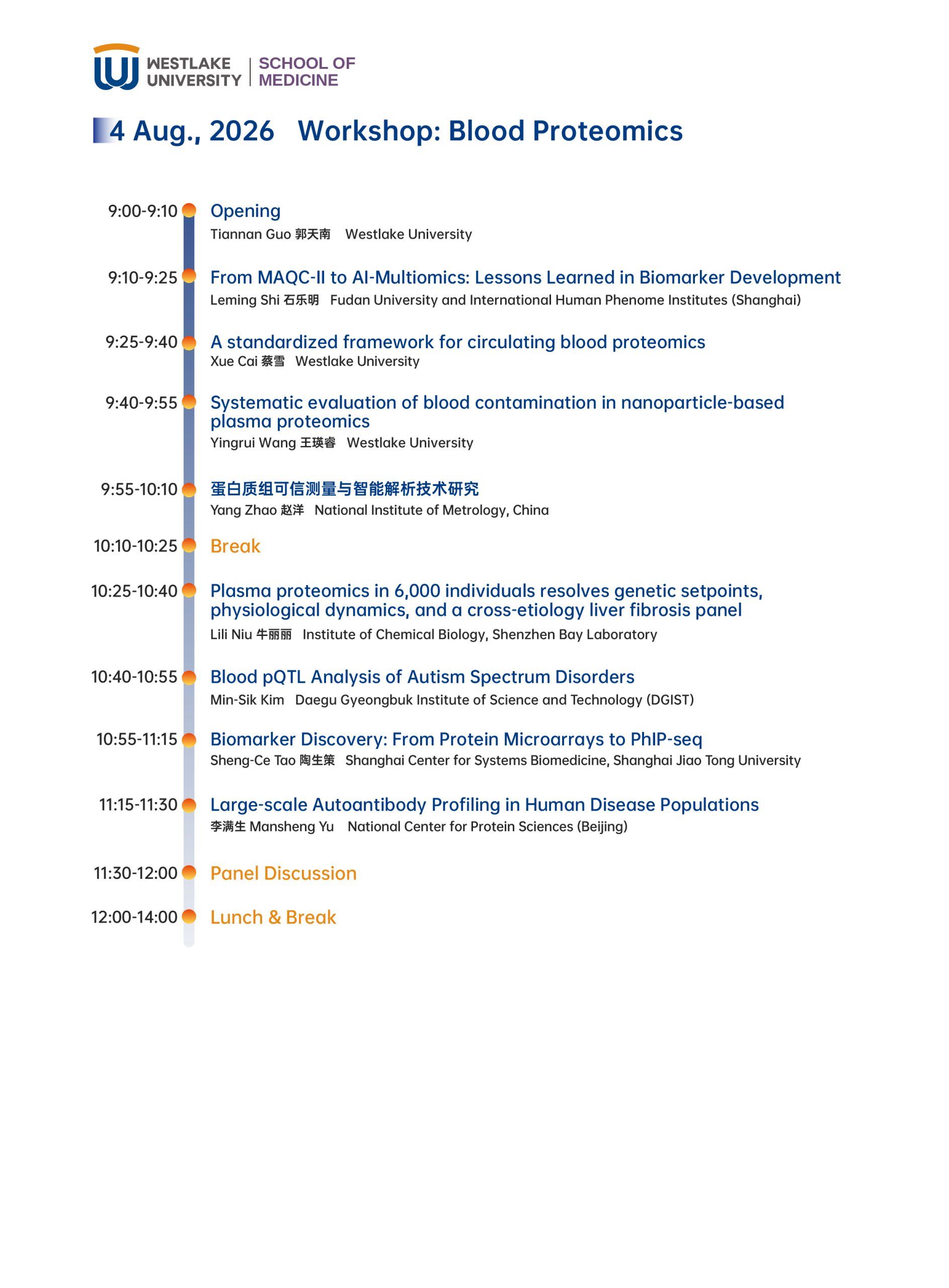
报告题目:从MAQC‑II到AI多组学:生物标志物开发中的教训 / From MAQC‑II to AI-Multiomics: Lessons Learned in Biomarker Development
报告摘要:2010年,FDA主导的MAQC‑II项目通过大规模国际协作,系统评估了基因表达谱生物标志物开发与验证中的常见实践。核心发现包括:模型预测性能取决于生物学问题本身的难度;样本量与问题难度的相互作用决定模型成败;批次效应普遍存在,直接导致模型泛化性差;内部交叉验证严重高估外部验证性能;不同数据分析团队的模型性能差异悬殊。这些教训对于当今的AI多组学时代仍有借鉴作用。我们呼吁:纳入公共标准物质并采用样本‑标准比值(SRR),开展独立外部验证,根据问题难度合理设计样本量,并强化团队的分析规范与可重复性训练,以实现真正可泛化的生物标志物。
In 2010, the FDA‑led MAQC‑II project systematically evaluated common practices in the development and validation of microarray gene expression‑based biomarkers through a large‑scale international collaboration (www.nature.com/collections/tlrcqxrcdx). Key findings include: model predictive performance depends on the intrinsic difficulty of the biological question; the interplay between sample size and problem difficulty determines success or failure; batch effects are pervasive and directly lead to poor model generalizability; internal cross‑validation substantially overestimates external validation performance; and model performance varies widely across data analysis teams. These lessons remain relevant for today’s AI-multiomics era. We call for: incorporating common reference materials and reporting sample‑to‑reference ratios (SRRs), conducting independent external validation, designing sample sizes according to problem difficulty, and strengthening team‑level analytical rigor and reproducibility training—to achieve truly generalizable biomarkers.
————————————————
张康,温州医科大学;国家眼部疾病临床医学研究中心 Wenzhou Medical University; National Clinical Medical Research Center for Eye Diseases
个人简介:张康教授,哈佛大学医学博士、哈佛医学院-麻省理工学院联合医学博士、哈佛大学遗传学博士,曾任加州大学圣地亚哥分校医学遗传研究所创始所长、杰出终身教授。现任温州医科大学临床大数据研究院院长、眼健康与疾病高等研究院院长、国家眼部疾病临床医学研究中心首席科学家。在医学人工智能、眼科学、肿瘤、分子遗传学及精准医学等领域具有重要学术影响力。WOS 收录论文 400 余篇,其中在 Nature、Science、Cell、New England Journal of Medicine 等顶级期刊发表近 300 篇,总引用量超过 90,000 次,H 指数 114。2019—2024 年连续 6 年入选“科睿唯安全球跨学科高被引学者”。他同时为美国科学促进会会士、美国医学与生物工程院会士、美国临床研究协会会士、美国医生协会会士、英国皇家医学会会士和英国皇家化学会会士,并担任 Signal Transduction and Targeted Therapy 创始联合主编。Professor Kang Zhang, M.D., Ph.D., received his M.D. from Harvard University, completed the Harvard-MIT Joint M.D. Program, and earned his Ph.D. in Genetics from Harvard University. He previously served as the Founding Director of the Institute for Genomic Medicine and Distinguished Professor at the University of California, San Diego. He is currently Director of the Clinical Big Data Research Institute of Wenzhou Medical University, Director of the Institute for Eye Health and Diseases, and Chief Scientist of the National Clinical Medical Research Center for Eye Diseases. His research spans medical artificial intelligence, ophthalmology, oncology, molecular genetics, and precision medicine. He has authored more than 400 Web of Science-indexed publications, including nearly 300 papers in leading journals such as Nature, Science, Cell, and The New England Journal of Medicine, with over 90,000 citations and an H-index of 114. He was recognized as a Clarivate Global Highly Cited Researcher for six consecutive years from 2019 to 2024. He is a fellow of AAAS, AIMBE, ASCI, AAP, the Royal Society of Medicine, and the Royal Society of Chemistry, and serves as the founding Co-Editor-in-Chief of Signal Transduction and Targeted Therapy.
报告题目:从数字孪生到虚拟细胞:人工智能驱动的精准医疗范式转变 From Digital Twins to Virtual Cells: An AI-Driven Paradigm Shift in Precision Medicine
报告摘要:本报告将立足于人工智能与临床医学的交叉前沿,探讨从宏观“医疗数字孪生(Digital Twins)”向微观“虚拟细胞”演进的创新性概念与应用前景。数字孪生是通过整合多模态生物学组学与真实世界临床数据,为物理实体构建的动态数字副本;而“虚拟细胞”则是在此基础上的微观延伸,代表着对生命基本单元运行机制的数学化表达与复杂生物学网络模拟。本次报告将阐述如何利用智能体(AI Agents)等前沿技术驱动虚拟实体的自主进化,实现对从个体到细胞的生理机制、疾病演变进程以及生物治疗响应的高保真模拟与可靠预测。通过在虚拟空间中预演临床决策,本报告将进一步探讨如何加速复杂疾病的机制破解与靶向药物研发,最终推动实现由数据驱动的全生命周期精准医疗。This presentation will focus on the intersection of artificial intelligence and clinical medicine, exploring the innovative concept and application prospects of the evolution from macroscopic healthcare digital twins to microscopic virtual cells. Digital twins construct dynamic digital replicas of physical entities by integrating multimodal biological omics and real-world clinical data. Building upon this concept, virtual cells represent a microscopic extension, providing mathematical representations of the functional mechanisms of fundamental units of life and simulations of complex biological networks. This presentation will discuss how cutting-edge technologies, such as AI agents, can drive the autonomous evolution of virtual entities, enabling high-fidelity simulation and reliable prediction of physiological mechanisms, disease progression, and therapeutic responses from the individual level to the cellular level. By rehearsing clinical decision-making in virtual space, this approach may accelerate the mechanistic understanding of complex diseases and the development of targeted therapeutics, ultimately advancing data-driven, full life-cycle precision medicine.
————————————————
方向 Xiang Fang,中国计量科学研究院 National Institute of Metrology, China
个人简介:方向,男,1963年出生,研究员,博士生导师。
1984年毕业于长春地质学院,先后任地矿部宜昌地矿所研究员、国家标准物质研究中心副主任、中国计量科学研究院副院长,中国标准化研究院副院长,2007年任国家标准化管理委员会总工程师、副主任,2014年至2024年4月任中国计量科学研究院院长、兼任国家时间频率计量中心主任、国家标准物质研究中心主任。
长期从事计量测试技术与仪器、标准化和化学计量等工作,是我国质谱技术研究的重要学科带头人。先后主持多项国家重大研究任务, 取得了一系列创造性的研究成果,自主研发质谱仪打破国外垄断、在超痕量物质精密测量技术及仪器等方面取得了一系列突破。以第一完成人获得国家科技进步二等奖2项。
是中国人民政治协商会议第十三届和第十四届全国委员会委员(科学技术界),兼任中国计量测试学会副理事长,全国医学计量技术委员会主任委员。2018年当选亚太区域计量规划组织(APMP)主席。兼任吉林大学、湖南大学教授。享受国务院政府特殊津贴,是中央直接联系的科技专家。
报告题目:AI需要公共标尺——可信组学AI的实践探索
报告摘要:TBD
————————————————
钱斌治 Bin-Zhi Qian,复旦大学 Fudan University
个人简介:复旦大学特聘教授、复旦大学人类表型组研究院副院长、复旦大学时空组学整合研究中心主任、复旦大学附属肿瘤医院双聘教授、英国爱丁堡大学生殖健康中心荣誉研究员。曾获上海市领军人才、上海浦东“明珠计划”领军人才,CRUK CDF英国癌症研究职业发展奖、爱丁堡大学学院早期成就奖、前列腺癌症基金会(PCF)挑战奖及美国癌症研究协会(AACR)在训学者奖等奖项。
先后获得复旦大学生物化学学士学位和美国爱因斯坦医学院生物医学博士学位。曾任美国纪念斯隆-凯特琳癌症中心副研究员 ;随后任职于英国爱丁堡大学癌症研究中心和生殖健康中心,历任校监特聘首席研究员、终身教授。曾受聘为广东省珠江学者讲座教授、广州医科大学南山学者特聘客座教授及第二军医大学客座教授。
长期致力于肿瘤免疫、巨噬细胞及空间组学研究。发现并命名了转移相关巨噬细胞,开创了免疫细胞在肿瘤转移中作用的新领域,在揭示巨噬细胞促进癌症转移及耐药机制方面取得了系列开创性成果。主持国际重大科研项目总经费超3,000万人民币,其中包括欧盟科学研究委员会(ERC)地平线2020项目、英国癌症研究(CRUK)CDF重大项目及国家自然科学基金和上海市级重大项目等。在Nature、Cell、Nature Reviews Immunology、Journal of Experimental Medicine、Trends in Immunology 、Nature Computational Science等国际顶尖期刊发表多篇高水平学术论文,论文总引用超18,000次,参与编写国际学术专著2本。
目前担任《Journal of Leukocyte Biology》、《CytoJournal》、《Clinical and Experimental Metastasis》等期刊编委,并受邀为 Nature、Cell、Science 等数十种国际权威刊物审稿。目前担任生命科学开放联盟秘书长、中国生物工程学会系统生物医学专委会副主任委员、上海生物信息学会理事时空组学专委会副主任委员、全国卫生产业企业管理协会精准医疗分会理事等社会职务。
报告题目:单细胞空间组学基准评价体系研究
报告摘要:基于单细胞空间组学的AIVC研究飞速发展,但单细胞空间组学数据全链条的标准化和质量控制严重滞后,突出表现为四大瓶颈:实验流程因平台而异、缺乏可溯源的标准参考物质、数据分析缺乏统一算法评估框架、数据解读缺乏可重复的生物学判据。现有工作缺乏涵盖数据生产、算法评估、指标体系的统一评价框架。这些障碍导致跨研究结果难以比较,技术的重复性、鲁棒性,灵敏度等问题严重制约了方法创新应用与临床转化。因此,建立可扩展的单细胞空间组学基准评价体系,系统评估数据分析流程,完善数据解读,提升实验质控流程的标准化对于加速方法创新,推动新技术的广泛应用,促进可信任,可解释,可泛化AIVC及其临床转化具有重要的科学价值和实践意义。
————————————————
邹旭东,深圳湾实验室 Shenzhen Bay Laboratory
个人简介:
报告题目:Multi-omics Integration and Computational modeling of Transcriptional Isoform Diversity in Human Diseases
报告摘要:Elucidating the molecular mechanisms through which non-coding genetic variants influence human diseases remains a major challenge in human genetics. Although genome-wide association studies (GWAS) have identified thousands of disease-associated loci, the functional consequences of most non-coding variants remain poorly understood.
We have established a multi-omics analytical framework that integrates population-scale genomic and transcriptomic data from both bulk and single-cell datasets to investigate genetic regulation of transcript isoform diversity. Focusing on alternative polyadenylation (APA) at 3′ UTR, we constructed a comprehensive 3′ alternative polyadenylation quantitative trait locus (3′aQTL) atlas across human tissues, providing mechanistic insights into approximately 16% of GWAS risk loci through transcript-level regulatory effects.
To further expand our understanding of transcript isoform regulation, we recently developed DATTSS, a computational method for the precise quantification of alternative tandem transcription start site (TSS) usage in large-scale transcriptomic datasets. Application of DATTSS to pan-cancer cohorts revealed widespread dysregulation of alternative transcription initiation (ATI) during tumorigenesis. Building upon this advance, we extended our previous 3′aQTL framework to characterize the genetic regulation of ATI and established a comprehensive 5′ alternative transcription initiation quantitative trait locus (5′aQTL) framework. Applying this framework to 15,201 samples across 49 human tissues, we identified nearly 400,000 5′aQTLs and generated the first large-scale atlas of genetic effects on transcription initiation. Integrative analyses with disease GWAS datasets further revealed 614 disease-associated loci linked to ATI regulation, including the OSGEP locus, where genetically regulated transcription initiation is associated with breast cancer susceptibility.
Our work demonstrates how robust quantification of transcript isoform diversity, combined with multi-omics integration across tissues and cellular contexts, enables systematic interpretation of non-coding genetic variation. By connecting genetic variants to both transcriptional and post-transcriptional regulations, these resources provide a comprehensive computational framework for dissecting disease mechanisms and advancing functional interpretation of human GWAS signals.
————————————————
徐平,国家蛋白质科学中心(北京) National Center for Protein Sciences (Beijing)
个人简介:中国医学科学院蛋白质组学与新药研发创新单元主任;国家万人计划创新领军人才、北京市领军人才、“973”首席科学家、国家重点研发计划项目首席科学家;亚太人类蛋白质组组织(AOHUPO)副主席、中国人类蛋白质组组织(CNHUPO)主任委员。从事蛋白质翻译后修饰、高覆盖精准定量蛋白质组学、基于蛋白质组学的精准医学研究。领衔并完成“973”项目“肝病发生发展中蛋白质翻译后修饰的定量蛋白质组学研究”、国家精准医学重大专项“精准特异灵敏实用临床定量蛋白质组支撑技术研究”等一系列重大项目。在国际上建立首个基于蛋白质从头测序、泛素链绝对定量和泛素化蛋白质假阳性排除技术的蛋白质泛素化宏观和微观不均一性分析技术体系;率先定量细胞泛素链组成,将7种泛素链分为主导蛋白质降解的非K63泛素链和非蛋白质降解的K63泛素链两个类群,被国际称为“Chain gang”(链帮);发现K11泛素链引导蛋白质降解、调节转录因子开关蛋氨酸合成2条新信号通路。已在 Cell、 Gastroenterology、Mol Cell、Nat Communication 等发表研究论文160余篇;授权发明专利55项,产品化成果6项,上市基因工程国家新药1个。先后荣获石家庄市科技进步一等奖、国家经贸委优秀技术创新项目奖、云南省自然科学一等奖、国家蛋白质组学创新团队、中国发明协会发明创新奖创业奖二等奖等多项科研奖励。
报告题目:从蛋白质组标准化的视角,看“AI 虚拟细胞”的数据底座
报告摘要:TBD
————————————————
吴郦军,上海人工智能实验室 Shanghai Artificial Intelligence Laboratory
个人简介:吴郦军,上海人工智能实验室 青年科学家,曾担任字节跳动研究科学家,微软亚洲研究院高级研究员。研究领域包括 LLM、AI4Science等,在NeurIPS、ICML、ICLR、ACL、KDD等国际顶级会议上发表论文100余篇。NeurIPS26 E&D Track Chair,长期担任NeurIPS、ICLR、ACL、EMNLP、NAACL、AAAI等领域主席。曾获WMT2019全球机器翻译比赛8项冠军、OGB-LSC@KDD cup 2021大规模图分子性质预测 Runner up奖项、ACL2024 Language+Molecule两赛道第一和第二名。多项技术研究成果转化并广泛应用于美团、腾讯等企业的实际业务产品中。在多项科技部、地方政府项目和课题及国家实验室重点科研任务中担任课题负责人,包括科技创新2030重大项目课题等。
报告题目:面向 AGI4S 的科学数据基座
报告摘要:随着 AGI4S 进入科学发现的核心流程,科研数据正在成为制约模型能力和科研智能体落地的关键基础设施。本报告讲主要介绍 Sciverse 科学智能数据基座,讨论其定位、架构与应用价值,讨论如何将文献、教材、专利、实验数据等转化为可被大模型与科学智能体实用的 AI-Ready 数据。特别的,Sciverse 将围绕 Sci-Base、Sci-Align 和 Sci-Evo 三层体系展开,说明如何通过系统化建设支持科学知识结构化、跨模态对齐、高阶推理与实验过程建模。重点也会介绍目前 Sciverse在生命科学领域,特别是蛋白质、生物医药上的数据建设进展,相关特色数据集的构建以及对科学研究的价值。最后我们将重点展示 Sciverse 在当前科学研究、智能体开发、实验科研自动化的应用价值,更多资料可以访问:https://sciverse.opendatalab.com/。
————————————————
叶子璐 Zilu Ye,中国医学科学院系统医学研究院/苏州系统医学研究所 Institute of Systems Medicine, Chinese Academy of Medical Sciences / Suzhou Institute of Systems Medicine
个人简介:叶子璐,中国医学科学院系统医学研究院/苏州系统医学研究所研究员、课题组长,北京协和医学院博士生导师、助理教授,国家级青年人才,重大疾病共性机制研究全国重点实验室核心成员。2019年获丹麦哥本哈根大学细胞与遗传医学博士学位。长期从事基于质谱的蛋白质组学、糖组学及多组学方法研究,在单细胞与痕量蛋白质组学、高通量定量分析和蛋白质糖基化研究方面取得系列成果。已发表SCI论文30余篇,其中以第一作者或通讯作者发表12篇,代表性成果发表于Cell、Nature Methods(2篇)、Nature Biotechnology和Nature Communications等期刊。现任人类蛋白质组组织(HUPO)生物与疾病人类蛋白质组计划执行委员会委员、中国生物化学与分子生物学会蛋白质组学专业分会副秘书长。
Dr. Zilu Ye is a Principal Investigator and Group Leader at the Institute of Systems Medicine, Chinese Academy of Medical Sciences (CAMS) / Suzhou Institute of Systems Medicine, and an Assistant Professor and Ph.D. supervisor at Peking Union Medical College. He is a recipient of the National Natural Science Foundation of China Excellent Young Scientists Fund (Overseas) and a core member of the State Key Laboratory of Common Mechanism Research for Major Diseases. He received his Ph.D. in Cellular and Genetic Medicine from the University of Copenhagen in 2019. His research focuses on mass spectrometry-based proteomics, glycomics, and multi-omics, with contributions to single-cell and trace proteomics, high-throughput quantitative analysis, and protein glycosylation. He has published more than 30 SCI papers, including 12 as first or corresponding author, with representative work in Cell, Nature Methods (two papers), Nature Biotechnology, and Nature Communications. He serves on the HUPO Biology and Disease Human Proteome Project Executive Committee and as Deputy Secretary-General of the Proteomics Division of the Chinese Society of Biochemistry and Molecular Biology.
报告题目:面向AI虚拟细胞的蛋白质组学质量控制与标准化:从可比数据到可持续演进的参考图谱
Proteomics Quality Control and Standardization for AI Virtual Cells: From Comparable Data to an Evolving Reference Atlas
报告摘要:AI虚拟细胞的构建依赖大规模、跨平台、跨实验室且可长期复用的高质量多组学数据。蛋白质组学能够直接反映细胞和组织的功能状态,但其数据同时受到样本前处理、色谱与质谱平台、采集策略、数据分析流程以及仪器漂移等多因素影响,因此标准化不能简单等同于统一某一套实验步骤,而应围绕数据的可比性、可解释性和长期价值建立完整框架。本报告将结合π-HuB蛋白质组学技术标准化工作,介绍分层、模块化、可验证且可持续演进的标准化思路,重点讨论元数据、质量控制、参考物质、benchmark及数据分级使用等关键环节。
AI virtual cells require large-scale, cross-platform, cross-laboratory multi-omics data that remain comparable and reusable over time. Proteomics directly captures cellular and tissue functional states, yet its measurements are strongly affected by sample preparation, LC-MS platforms, acquisition strategies, computational workflows, and instrument drift. Standardization therefore should not simply mandate a single protocol; it should establish a complete framework centered on data comparability, interpretability, and long-term value. Drawing on the π-HuB proteomics standardization program, this talk will present a tiered, modular, verifiable, and continuously evolving framework, with emphasis on metadata, quality control, reference materials, benchmarks, and fit-for-purpose data grading.
————————————————
叶子璐 Zilu Ye,中国医学科学院系统医学研究院/苏州系统医学研究所 Institute of Systems Medicine, Chinese Academy of Medical Sciences / Suzhou Institute of Systems Medicine
个人简介:叶子璐,中国医学科学院系统医学研究院/苏州系统医学研究所研究员、课题组长,北京协和医学院博士生导师、助理教授,国家级青年人才,重大疾病共性机制研究全国重点实验室核心成员。2019年获丹麦哥本哈根大学细胞与遗传医学博士学位。长期从事基于质谱的蛋白质组学、糖组学及多组学方法研究,在单细胞与痕量蛋白质组学、高通量定量分析和蛋白质糖基化研究方面取得系列成果。已发表SCI论文30余篇,其中以第一作者或通讯作者发表12篇,代表性成果发表于Cell、Nature Methods(2篇)、Nature Biotechnology和Nature Communications等期刊。现任人类蛋白质组组织(HUPO)生物与疾病人类蛋白质组计划执行委员会委员、中国生物化学与分子生物学会蛋白质组学专业分会副秘书长。
Dr. Zilu Ye is a Principal Investigator and Group Leader at the Institute of Systems Medicine, Chinese Academy of Medical Sciences (CAMS) / Suzhou Institute of Systems Medicine, and an Assistant Professor and Ph.D. supervisor at Peking Union Medical College. He is a recipient of the National Natural Science Foundation of China Excellent Young Scientists Fund (Overseas) and a core member of the State Key Laboratory of Common Mechanism Research for Major Diseases. He received his Ph.D. in Cellular and Genetic Medicine from the University of Copenhagen in 2019. His research focuses on mass spectrometry-based proteomics, glycomics, and multi-omics, with contributions to single-cell and trace proteomics, high-throughput quantitative analysis, and protein glycosylation. He has published more than 30 SCI papers, including 12 as first or corresponding author, with representative work in Cell, Nature Methods (two papers), Nature Biotechnology, and Nature Communications. He serves on the HUPO Biology and Disease Human Proteome Project Executive Committee and as Deputy Secretary-General of the Proteomics Division of the Chinese Society of Biochemistry and Molecular Biology.
报告题目:高通量超灵敏单细胞蛋白质组学方法的开发与应用
Development and Application of High-Throughput and Ultra-Sensitive Single-Cell Proteomics Technologies
报告摘要:本报告将介绍基于质谱的高通量单细胞蛋白质组学最新进展,重点展示自动化样本制备、采集策略和标准化数据分析流程方面的方法创新。我们构建了覆盖样本制备至定量分析的完整技术框架:Chip-Tip方法实现了超深度、无标记和高灵敏度的单细胞分析;SC-pSILAC可同时精确测量蛋白质丰度与周转动态;在此基础上,SPRINT平台进一步实现了自动化、高通量且稳定可重复的单细胞样本制备。这些方法显著提升了单细胞蛋白质组学的灵敏度、通量和重复性,使大规模、多组织及纵向研究成为可能。最后,本报告将讨论人工智能在稳定定量、协调多组学整合等方面对单细胞蛋白质组学的促进作用,并强调严谨的方法学、重复性和标准化仍是其走向转化应用的基础。
This report will introduce recent advances in high-throughput single-cell proteomics (SCP) based on mass spectrometry, highlighting innovations in automated sample preparation, acquisition strategies, and standardized data analysis workflows. We developed a comprehensive methodological framework spanning the entire pipeline from preparation to quantification. The Chip-Tip method enables ultra-deep, label-free, and highly sensitive single-cell analysis, while SC-pSILAC allows simultaneous and precise measurement of protein abundance and turnover dynamics. Building on these advances, the SPRINT platform achieves automated, high-throughput single-cell preparation with enhanced stability and reproducibility, further extending the scale of application. Together, these methods significantly improve sensitivity, throughput, and reproducibility, enabling large-scale, multi-tissue, and longitudinal studies. Finally, we will briefly discuss how artificial intelligence may augment SCP, for example by stabilizing quantification and harmonizing multi-omics integration, while emphasizing that methodological rigor, reproducibility, and standardization remain the foundation for advancing SCP toward translational impact.
————————————————
赵洋 Yang Zhao,中国计量科学研究院 National Institute of Metrology, China
个人简介:致力于蛋白质组及其翻译后修饰组的创新技术研究,建立了系列标准化分析流程与大数据生信分析策略,参与绘制了国际首个早期肝细胞癌分子特征图谱,实现了早期肝细胞癌的精准分子分型,为蛋白质组驱动的精准医疗研究(PDPM)做出了突出贡献;绘制了肺癌、脑癌、结直肠癌等重大疾病的多组学特征图谱,开发了配套的人工智能工具与软件,为疾病的精准诊断和治疗提供重要支撑;正深入研究蛋白质(组)的精准检测与计量标准,以确保数据的质量和标准化使用。至今,已在Nature, Cell, Nature Comunications,Cancer Letter等杂志发表学术论文40余篇。国家重点研发计划项目负责人。Dr. Yang Zhao, a PhD graduate from the National Center for Protein Sciences (Beijing), is currently a researcher at the National Institute of Metrology. His research spans the fields of proteomics, post-translational modifications, bioinformatics, and the tumor biology. He has developed various standardized analytical techniques and advanced bioinformatics methods for effective proteomics data management. Dr. Zhao's notable contributions include developing the first proteomics landscape for early-stage hepatocellular carcinoma, which has significantly enhanced the precision of molecular classification in this type of cancer, marking a major leap in Proteome-Driven Precision Medicine (PDPM). Currently, he is deeply involved in refining protein detection and measurement standards to ensure high-quality data and its standardized application. His academic excellence is reflected in his authorship of over 20 papers in renowned journals such as Nature, Cell, Sci.China Life Sci., and JPR. Furthermore, Dr. Zhao is at the helm of a key specialized project under the National Key Research and Development Program.
报告题目:蛋白质组可信测量与智能解析技术研究
报告摘要:TBD
————————————————
于晓波 Xiaobo Yu,国家蛋白质科学中心(北京) National Center for Protein Sciences (Beijing)
个人简介:国家蛋白质科学中心-北京(凤凰中心)研究员、博士生导师。国家重点研发计划非质谱蛋白质组技术首席科学家,丹纳赫科学顾问,旦生医学创始人。曾任美国Virginia G. Piper 个体化诊断中心研究员。入选国家中医药创新团队、北京高层次人才和HUPO之星等。现任2026 国际人类蛋白质组组织(HUPO)大会科学顾问、国际人体抗体组计划(HARP)主席、国际血浆蛋白组计划(HPPP)委员、亚太蛋白质组组织(AOHUPO)理事、中国蛋白质组组织(CNHUPO)秘书长;兼任中国老年保健协会实验医学分会副主任委员,中国抗癌协会肿瘤标志物委员会、中国自身免疫委员会、中国心胸血管麻醉学会检验与临床分会、世界华人医师协会前沿科技与临床转化专委会和北京市转化医学会临床检验分会等常务委员。担任科技部战略国际合作、前沿技术、诊疗装备等领域项目评审专家。中国医科大学、西安交通大学第一附属医院、青岛大学医学院、安徽医科大学等特聘教授,BMC Medicine 期刊编委。
长期从事蛋白质组学新技术与精准医学研究,在国际上率先建立AI 驱动的免疫抗体大数据与精准医学技术体系(入选美国化学会经典案例),包括构建人体抗原数据库(AAgAtlas),系统定义抗原特征(Hallmarks of Human AAgs)并研发人类、结核、泛呼吸道病毒等系列芯片;开展中西医临床蛋白质组研究 100 余项,发现 30 余种疾病血清标志物,其中Elafin 获批我国蛋白质组创新标志物首个临床注册证。
Dr. Xiaobo Yu's research interests focus on developing high-throughput (HT) proteome microarray technologies to investigate the underlying mechanisms and identify biomarkers for precision medicine. Leveraging these resources, his team has discovered a dozen biomarkers for disease diagnosis and treatment, among which Elafin has been approved by the China Food and Drug Administration (CFDA) and endorsed by clinical expert consensus for the diagnosis and treatment of psoriasis. Dr. Yu has published over 110 papers in prestigious journals, including the Nature series, Signal Transduction and Targeted Therapy, Annals of the Rheumatic Diseases, Advanced Science, Nucleic Acids Research, Diabetes, Clinical Chemistry, and Molecular & Cellular Proteomics. He currently serves as Secretary-General of the CNHUPO Committee and a council member of the AOHUPO Committee.
报告题目:大规模自身抗体图谱分析技术研究与应用
Large-scale Autoantibody Profiling in Human Disease Populations
报告摘要:群体蛋白质组学正在推动生命医学研究从个体分子测量走向大规模人群健康与疾病图谱构建。然而,当前研究多聚焦于循环蛋白丰度,而人体生物学中一个关键层面——免疫记忆——仍未被充分解析。自身抗体作为免疫系统对内源性蛋白识别、放大和长期维持的分子记录,可反映抗原暴露、组织损伤、免疫紊乱和疾病演变。因此,自身抗体反应组代表了群体蛋白质组学的新维度。本报告介绍 AAgAtlas 蛋白质组芯片大规模自身抗体谱分析平台。该平台整合人体自身抗原知识库、工业化蛋白质组芯片、自动化血清检测和 AI 驱动的数据分析流程,具有高灵敏度、高特异性、高重复性、高通量、低样本消耗和临床检测兼容性等优势。
基于 AAgAtlas,我们在感染、免疫介导炎症性疾病、罕见自身免疫病、肿瘤免疫治疗和临床标志物转化等场景中构建了高维自身抗体免疫指纹。代表性应用包括 SARS-CoV-2 体液免疫评估、IMID 自身抗体图谱构建、共享与疾病特异性靶标识别、器官来源溯源、复发性多软骨炎分型、肺癌免疫治疗疗效及不良反应预测,以及银屑病 Elafin 标志物临床转化。本报告进一步提出 HARP 国际合作倡议,旨在构建全球人体自身抗体反应组图谱,解码人体蛋白质组的免疫记忆层,推动精准医学发展。
Population proteomics is reshaping biomedical research by enabling large-scale molecular mapping of human health and disease. However, most current studies focus on circulating protein abundance, while a critical biological layer remains underexplored: immune memory. Autoantibodies provide an amplified, durable, and interpretable record of immune recognition, reflecting antigen exposure, tissue damage, immune dysregulation, and disease evolution. Thus, the autoantibody reactome represents a new dimension of population proteomics.
Here, I present AAgAtlas, a proteome microarray-based platform for large-scale autoantibody profiling in human disease populations. AAgAtlas integrates a human autoantigen knowledge base, industrialized proteome microarray fabrication, automated serum detection, and AI-powered image recognition and data analysis. The platform shows high sensitivity, specificity, reproducibility, throughput, low sample consumption, and compatibility with clinical assays such as ELISA and CLIA.
Using AAgAtlas, we generated high-dimensional autoantibody fingerprints across infectious disease, immune-mediated inflammatory diseases, rare autoimmune diseases, cancer immunotherapy, and clinical biomarker translation. Representative applications include SARS-CoV-2 humoral immunity assessment, IMID autoantibody atlas construction, shared and disease-specific target discovery, organ-of-origin mapping, relapsing polychondritis subtyping, lung cancer immunotherapy response and irAE prediction, and Elafin biomarker translation for psoriasis.
Together, these studies demonstrate that autoantibody profiling can reveal immune mechanisms, classify disease heterogeneity, guide therapy selection, and support clinical translation. Finally, I introduce the Human Autoantibody Reactome Project, or HARP, as an international initiative to build a global autoantibody atlas for precision medicine.
————————————————
陶生策 Sheng-Ce Tao,上海交通大学系统生物医学研究院 / Shanghai Center for Systems Biomedicine, Shanghai Jiao Tong University
个人简介:Dr. Sheng-Ce Tao is a tenured Professor and Vice Dean at Shanghai Jiao Tong University. He received his Ph.D. from Tsinghua University and completed postdoctoral training at Johns Hopkins University. His research focuses on systems biology, protein microarray technologies, biomarker discovery, and drug target identification. He has published over 150 papers in leading journals including Nature Biotechnology, EMBO Journal, and PNAS, with more than 8,000 citations, and holds over 40 authorized patents. Dr. Tao also serves as Vice Chair and Secretary-General of the Systems Biomedicine Branch of the Chinese Society of Biotechnology.
报告题目:Biomarker Discovery: From Protein Microarrays to PhIP-seq
报告摘要:抗体反应组可系统刻画个体或人群中的抗体-抗原相互作用,是研究感染、自身免疫、过敏和衰老相关免疫状态。本报告介绍蛋白质芯片/蛋白质组芯片与 PhIP-seq 平台的原理、通量和适用场景,并结合结核病、SARS-CoV-2、系统性红斑狼疮、过敏及健康衰老等案例,讨论其在疾病生物标志物发现、表位解析和免疫基线评估中的应用。报告进一步提出“PhIP-seq 大队列发现 + 蛋白质芯片验证”的研究流程。
The antibody reactome provides a system-level view of antibody-antigen interactions in individuals and populations, offering a powerful framework for studying infection, autoimmunity, allergy, and aging-associated immune states. This talk will introduce protein/proteome microarrays and PhIP-seq as complementary platforms for antibody reactome profiling, with emphasis on their principles, throughput, and appropriate use cases. Case studies will include tuberculosis, SARS-CoV-2, systemic lupus erythematosus, allergy, and healthy aging. The presentation will discuss applications in disease biomarker discovery, epitope mapping, and immune baseline assessment, and will highlight a translational workflow that uses PhIP-seq for broad, large-cohort discovery followed by protein microarray-based validation.
————————————————
王瑛睿,西湖大学 Westlake University
个人简介:Yingrui obtained her PhD degree from Tsinghua University, School of Life Sciences, and majored in Biology (2013-2019). During her doctoral study, she mainly focused on the mechanism of flagellar length control, especially by LF4, a MAPK-related kinase, also used the proteomics analysis and comparative phosphorylation proteomics to further explore LF4 associated proteins. From July 2019 to December 2020, she worked in the Yangtze Delta Region Research Institute of Tsinghua University in Zhejiang province. In January 2021, she joined the Guomics team as a postdoctoral researcher for proteomic big data research. Yingrui joined iMarker Lab as a research assistant professor in January 2023 and became a research associate professor in September 2024.
报告题目:Systematic evaluation of blood contamination in nanoparticle-based plasma proteomics
报告摘要:Circulating blood proteomics enables minimally invasive biomarker discovery, though the influence of protein identification depth and sample contamination in nanoparticle-based workflows requires further clarification. We developed OmniProt, a silica-nanoparticle workflow optimized through systematic evaluation of nanoparticle types and protein corona parameters, alongside an Astral spectral library covering 10,109 protein groups. This pipeline identifies 3,000–6,000 protein groups from human plasma at high throughput. Observations indicate that platelet, erythrocyte, and coagulation-related contamination artificially inflates protein counts and affects quantification accuracy. Controlled experiments identified specific biomarkers for such contamination, leading to the development of Baize, an open-access software for assessment. Validation in a cohort of 193 patients with benign nodules or early-stage lung cancer successfully flagged contaminated samples, highlighting the importance of contamination control for reliable nanoparticle-based plasma proteomics.
————————————————
牛丽丽,深圳湾实验室化学生物学研究所 Institute of Chemical Biology, Shenzhen Bay Laboratory
个人简介:Lili Niu, Junior PI at the Institute of Chemical Biology, Shenzhen Bay Laboratory. Her group focuses on clinical and translational proteomics, aiming to accelerate proteomics-driven precision medicine by developing and applying cutting-edge proteomics technologies and creating human-centric proteomic data resources to uncover biomarkers and therapeutic targets that can transform patient care. Lili Niu obtained her Ph.D. in 2021 from the University of Copenhagen, where she trained in the Clinical Proteomics Group under Prof. Dr. Matthias Mann, followed by three years of postdoctoral research in the Human Proteome Variation Group led by Prof. Dr. Simon Rasmussen. She then advanced to a role as Senior Research Scientist at Novo Nordisk, where she gained further experience working with clinical trial omics data and the real-world drug development pipeline. She has published first-author papers in Nature Medicine, Nature Genetics, and Molecular Systems Biology (x2), integrating large-scale proteomics from disease and population cohorts with machine learning and genome-wide analyses to advance biomedical research. Lili Niu has received multiple awards, including the Chinese Human Proteome Organization (CNHUPO) Pi-Hub Rising Star Award (2023) and the European Proteomics Association (EuPA) Young Proteomics Investigator Club Challenge 2.0 Champion (2019).
牛丽丽,深圳湾实验室化学生物学研究所特聘研究员。她的课题组专注于临床与转化蛋白质组学研究,致力于通过开发和应用前沿蛋白质组学技术,以及构建以人为中心的数字样本库,来加速蛋白质组学驱动的精准医学发展,从而发现能够改变患者护理的生物标志物和治疗靶点。牛丽丽于2021年获得哥本哈根大学博士学位,师从Matthias Mann教授;随后在Simon Rasmussen教授领导的人类蛋白质组变异课题组进行了为期三年的博士后研究。随后作为诺和诺德公司的高级研究员,积累了临床试验组学数据和真实世界药物研发管线的实践经验。她以第一作者身份在《Nature Medicine》、《Nature Genetics》和《Molecular Systems Biology》(两篇)等期刊上发表论文,通过整合来自疾病和人群队列的大规模蛋白质组学数据与机器学习及全基因组分析,推动了生物医学研究。牛丽丽曾获多项荣誉,包括中国人类蛋白质组学会(CNHUPO)Pi-Hub新星奖(2023年)和欧洲蛋白质组学协会(EuPA)青年蛋白质组学研究者俱乐部挑战赛2.0冠军(2019年)。
报告题目:Plasma proteomics in 6,000 individuals resolves genetic setpoints, physiological dynamics, and a cross-etiology liver fibrosis panel 6,000人群血浆蛋白质组学揭示遗传调控、生理动态及跨病因肝纤维化标志物
报告摘要:Plasma proteomics offers a powerful window into human physiology and disease, yet robust interpretation requires careful consideration of quantitative accuracy, sample handling, and population-level biological variation. In this talk, I will present results from a population-scale plasma proteomics study of more than 6,000 individuals. I will describe how the plasma proteome is organized into distinct layers of biological variability, shaped by both genetic regulation and physiological processes, and how these features enable accurate prediction of multiple clinical traits. I will also highlight how population proteomics can uncover mechanisms linking genetic variation to liver disease biomarkers and support the development and validation of clinically relevant biomarker panels. Finally, I will share recent observations on the impact of blood collection and sample processing conditions on plasma proteome composition, illustrating how pre-analytical variables influence proteome measurements and affect biomarker discovery and cross-cohort comparability.
血浆蛋白质组学为解析人体生理状态和疾病过程提供了重要窗口,但对数据的准确解读依赖于对定量准确性、样本处理流程以及人群生物学变异的深度理解。在本次报告中,我将介绍一项涵盖6,000余名受试者的人群规模血浆蛋白质组学研究成果,阐述血浆蛋白质组如何在遗传调控和生理过程的共同作用下形成具有层次性的生物学变异结构,以及这些特征如何实现多种临床性状的精准预测。我还将展示人群蛋白质组学如何揭示遗传变异与肝脏疾病生物标志物之间的作用机制,并促进具有临床应用价值的生物标志物组合的开发与验证。最后,我将分享我们近期关于不同采血及样本处理条件对血浆蛋白质组影响的研究结果,重点讨论分析前因素如何影响蛋白质组测定结果,并进一步影响生物标志物发现及不同队列之间研究结果的可比性。
————————————————
蔡雪,西湖大学 Westlake University
个人简介:Xue received her training in analytical chemistry from Zhejiang University of Technology (2011-2018), specializing in chromatography and mass spectrometry. She joined the Guomics lab as a research assistant in April 2018 and was awarded for outstanding performance at Westlake University in 2019. Pursuing her academic career, Xue began her PhD in the Guomics lab in August 2021, completed her doctorate in June 2025, and immediately transitioned to a postdoctoral position in July 2025. Her research focuses on developing and optimizing proteomics methods, clinical proteomics research, and translational medicine, bridging cutting-edge techniques with practical clinical applications.
报告题目:A standardized framework for circulating blood proteomics
报告摘要:TBD
————————————————
Min-Sik Kim,Daegu Gyeongbuk Institute of Science and Technology (DGIST)
个人简介:Prof. Kim graduated Korea University and earned Ph.D. degree from Johns Hopkins University School of Medicine. He mapped a draft human proteome in 2014 using mass spectrometry-based proteomics. His lab focuses on multi-omics-based systems biology and medicine.
报告题目:Blood pQTL Analysis of Autism Spectrum Disorders
报告摘要:Autism spectrum disorder (ASD) is a complex neurodevelopmental condition characterized by substantial clinical and molecular heterogeneity, posing significant challenges for diagnosis and therapeutic intervention. Although large-scale genetic studies have identified numerous ASD-associated variants, the molecular mechanisms linking genetic variation to disease phenotypes remain incompletely understood. In particular, the extent to which genetic factors influence circulating proteins and contribute to ASD pathogenesis has yet to be systematically investigated.
In this study, we performed an integrative protein quantitative trait locus (pQTL) analysis using blood samples from individuals with ASD and their family members, as well as neurotypical controls. High-resolution mass spectrometry–based proteomic analysis was combined with genome-wide genotyping data to identify genetic variants associated with alterations in circulating protein abundance. By mapping cis- and trans-pQTLs, we sought to elucidate the genetic architecture underlying proteomic variation and to uncover molecular pathways implicated in ASD. Furthermore, integrative analyses incorporating known ASD risk loci enabled the prioritization of candidate proteins that may mediate the effects of genetic variation on disease susceptibility.
Our analysis revealed multiple protein-associated genetic variants linked to immune regulation, synaptic signaling, and neurodevelopmental processes. Several pQTL-associated proteins overlapped with previously reported ASD susceptibility genes, highlighting potential mechanistic connections between inherited genetic variation and downstream biological functions. These findings demonstrate the utility of blood-based pQTL analysis for bridging genomic variation and proteomic phenotypes in ASD and provide a valuable framework for the identification of novel biomarkers for ASD.
——————————————
董振 西湖大学 Westlake University
实操讲师
——————————————
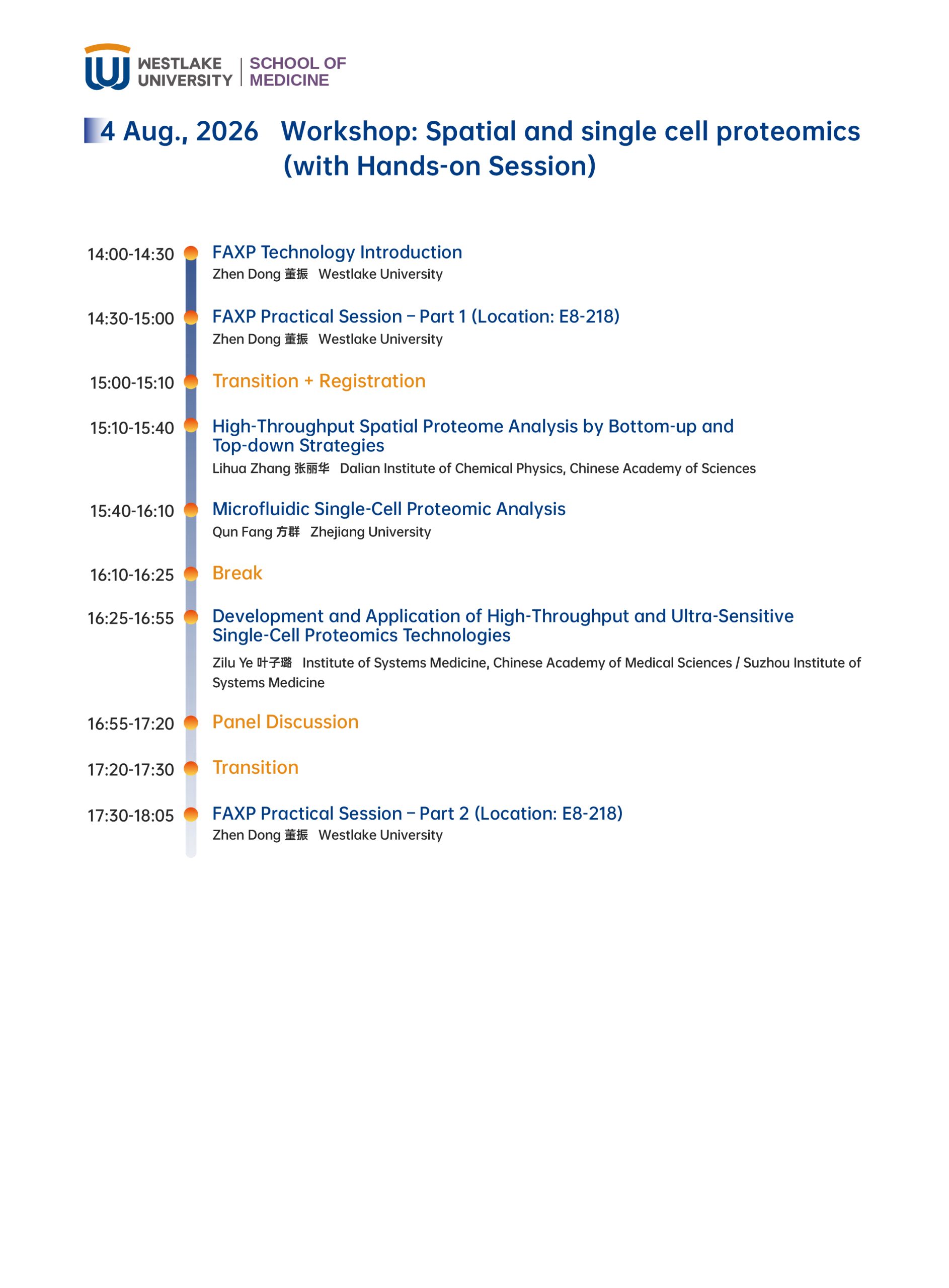
王帅尧 西湖大学 Westlake University Multimodal AI-enabled mass spectrometry-based expansion proteomics for whole-slide at single-cell resolution
——————————————————
孔倩 Qian Kong 南方科技大学 Southern University of Science and Technology
中文简介
孔倩,南方科技大学研究助理教授。博士毕业于香港浸会大学,师从蔡宗苇教授与田瑞军教授。博士期间从事高通量磷酸化蛋白质组学方法开发与EGFR信号通路研究。博士后期间从事像素化空间蛋白质组学方法开发。目前,研究方向针对高灵敏空间蛋白质组学方法开发与胰腺癌肿瘤微环境研究。已在*Nat. Chem. Biol., Cancer Discov., Cell Syst., Anal. Chem., J. Proteome Res.*等期刊以第一/共同第一作者发表多篇文章。
English Bio
Qian Kong, Research Assistant Professor at Southern University of Science and Technology. She received her Ph.D. from Hong Kong Baptist University under the supervision of Professor Zongwei Cai and Professor Ruijun Tian. During her doctoral studies, she worked on developing high-throughput phosphoproteomics methods and investigating the EGFR signaling pathway. As a postdoctoral fellow, she focused on developing pixelated spatial proteomics methods. Currently, her research is directed toward the development of high‑sensitivity spatial proteomics methods and the study of the pancreatic cancer tumor microenvironment. She has published multiple papers as first or co‑first author in journals including *Nat. Chem. Biol., Cancer Discov., Cell Syst., Anal. Chem., and J. Proteome Res.*
报告题目
Spatial visual proteomics / 空间可视蛋白质组学
报告摘要
Spatial multi-omics has drawn tremendous attention recently due to its powerfulness for unbiasedly and systematically discovering biomolecules with spatial resolution. Among them, spatial transcriptomics have been well exemplified and applied for exploring various biological systems with tissue heterogeneity. However, because of the requirement for processing limited amount of tissue slice samples and high sensitivity for LC-MS analysis, spatial proteomics has been largely lagged behind. In this talk, I will demonstrate our development of a fully integrated proteomics sample preparation technology SISPROT which could efficiently process nanogram level tissue slice sample for removing the staining dyes, protein digestion, peptide desalting, and TMT labeling. By further combining with multi-color immunohistochemical (IHC) imaging investigation, well-defined proximity labeling with single-cell resolution at centimeter scale, and automated laser capture microdissection, we achieved high-sensitive spatial visual proteomic analysis of formalin-fixed and paraffin-embedded (FFPE) tissue slice. Importantly, we systematically applied the spatial visual proteomic approaches to explore the tumor microenvironment of pancreatic cancer with high cell type heterogeneity.
——————————————————
何睿乔 Ruiqiao He 中国科学院动物研究所 Institute of Zoology, Chinese Academy of Sciences
中文简介
何睿乔,中国科学院动物研究所博士后,研究方向为单细胞及空间组学相关计算方法开发,结合人工智能和新兴组学技术,以期解构从健康到疾病的分子动态过程。以第一作者(含共同)身份在*Cell (2025), Nature Methods (2024)*等学术期刊发表多篇论文,并入选中国生物信息学十大研究进展。先后获中科院院长特别奖、北京市优秀毕业生、中科院博士研究生国家奖学金等多项荣誉。作为项目负责人,主持2024年度博士后创新人才支持计划项目。
English Bio
Ruiqiao He is a postdoctoral fellow at the Institute of Zoology, Chinese Academy of Sciences (CAS). His research focuses on developing computational methods for single-cell and spatial omics, integrating artificial intelligence with emerging omics technologies to decode molecular dynamics spanning from health to disease. He has published several papers as first/ co-first author in high-impact academic journals, including *Cell (2025)* and *Nature Methods (2024)*, and his work has been recognized as one of the Top 10 Bioinformatics Advances in China. He is the recipient of numerous prestigious honors, including the CAS President's Special Award, Outstanding Graduate of Beijing, and the National Scholarship for CAS Doctoral Students. As a project leader, he also heads a project funded by the 2024 Postdoctoral Innovative Talent Support Program.
报告题目
AI-driven spatial omics research / 人工智能驱动的空间组学技术研究
报告摘要
近年来,单细胞及空间组学技术已成为解析组织异质性和复杂细胞相互作用的前沿工具。然而,这类新兴组学数据具有复杂的信息密度和昂贵的实现成本,传统技术手段难以用于全面挖掘解析生物组织复杂组成特征和功能规律。为此,我们专注于“人工智能驱动的空间组学技术研究”,通过深度融合先进的AI计算框架,建立了一系列极具创新性的生物信息学解构方法,旨在全面厘清组织的组成和功能异质性。在单细胞信号解构方面,我们建立了胞外小囊泡异质性追踪算法SEVtras,首次以细胞外尺度描绘了不同类型细胞的生理活动状态;在空间组学方法创新方面,我们开发了针对组织切片的AI驱动正交降维采样和重构方法,大幅拓宽了空间多组学测量的技术瓶颈,实现了全组织切片水平的高分辨率空间蛋白质组检测。本次汇报将以全新的纯计算视角,重点分享我们在人工智能驱动空间单细胞组学信息解码领域的思路与突破。我们期望这些工作能够显著提升空间单细胞组学的解析深度与广度,为本领域提供AI计算驱动的高性能解析框架,相关成果发表于*Cell, Nature Methods*等国际知名期刊。
In recent years, single-cell and spatial omics technologies have emerged as cutting-edge tools for dissecting tissue heterogeneity and complex cellular interactions. However, these emerging omics data feature high information density and costly implementation, making it difficult for traditional techniques to fully mine and resolve the complex composition and functional patterns of biological tissues. To address these challenges, we focus on AI-driven spatial omics research. By deeply integrating advanced AI computational frameworks, we have established a series of highly innovative bioinformatics single-cell and spatial resolving methods, aiming to comprehensively clarify the compositional and functional heterogeneity of tissues. Regarding single-cell signal deconvolution, we developed SEVtras, a tracking algorithm for extracellular vesicle heterogeneity, which maps the physiological activity states of diverse cell types at an extracellular scale for the first time. In terms of spatial omics methodological innovation, we developed an AI-driven orthogonal dimensionality-reduction sampling and reconstruction method tailored for tissue sections. This approach significantly overcomes the technical bottlenecks of spatial multi-omics measurement, enabling high-resolution spatial proteomics detection across entire tissue slices. From a purely computational perspective, this presentation will highlight our insights and breakthroughs in the field of AI-driven spatial single-cell omics. We expect these efforts to significantly enhance both the depth and breadth of spatial single-cell analysis, providing the field with an AI-driven, high-performance computational framework. Our relevant findings have been published in top-tier international journals, including *Cell* and *Nature Methods*.
——————————————————
方群 Fang Qun 浙江大学 Zhejiang University
中文简介
方群,浙江大学求是特聘教授,博士生导师,化学系微分析系统研究所所长,浙江大学杭州国际科创中心分子智造研究所所长,单细胞蛋白质组研究中心主任,国家杰出青年基金获得者。
自1998年开始从事微流控芯片分析研究工作。目前研究方向包括:微流控分析和筛选,微流控液相色谱、质谱和毛细管电泳分析,微型化分析系统研制,人工智能+自动化+微流控系统,以及微流控系统在单细胞蛋白质组/多组学分析、微量生化分析、器官芯片、药物筛选和现场分析中的应用。发表研究论文170余篇。在微流控领域有35项国家发明专利获得授权。曾主持承担国家基金委重大项目课题、国家杰出青年基金、国家基金重点项目、国家重大科研仪器研制项目和面上项目,以及国家科技部国家重点研发计划项目课题、973项目课题和863计划项目课题等科研项目。其中,2006年获得教育部新世纪优秀人才支持计划资助,2008年获得国家自然科学基金委杰出青年基金资助。2015年,获中国化学会分析化学基础研究梁树权奖。2015年入选英国皇家化学会会士(Fellow of the Royal Society of Chemistry, FRSC)。2016年获颁国务院政府特殊津贴。2024年获中国分析测试协会分析测试科学奖一等奖。
目前担任中国微米纳米技术学会常务理事、微纳流控技术分会理事长,中国分析测试协会微纳流控分析分会主任委员,中国化学会分析化学学科委员会委员、中国化学会色谱专业委员会委员、中国机械工程学会生物制造工程分会委员、组织器官芯片专业委员会副主任委员。担任国际分析化学期刊 *Talanta*副主编,*Lab on a Chip*和*Analyst*编委;担任国内分析化学期刊《色谱》副主编,《分析化学》、《分析科学学报》、《化学传感器》、《光谱学与光谱分析》编委。曾担任2012年全国微-纳尺度生物分离分析学术会议和第七届全国微全分析系统学术会议组委会主席;2013年第八届全国微全分析系统学术会议、第三届全国微-纳尺度生物分离分析学术会议暨第五届国际微化学与微系统学术会议(ISMM)共同会议主席;2015年第19届国际微全分析系统会议(MicroTAS 2015)共同会议副主席;2016年首届液滴微流控学国际学术研讨会主席;2022年第26届国际微全分析系统会议(MicroTAS 2022)会议主席。
English Bio
Qun Fang is a Qiushi Distinguished Professor in the Department of Chemistry at Zhejiang University, the Director of the Institute of Microanalytical Systems in the Department of Chemistry, and the Director of the Single-cell Proteome Research Center at ZJU-Hangzhou Global Scientific and Technological Innovation Center. He received his Ph.D. in pharmaceutical analysis from Shenyang Pharmaceutical University in 1998. His research interests include microfluidic analysis and screening, liquid chromatography, mass spectrometry, capillary electrophoresis, and miniaturized analytical instruments, as well as applications of microfluidic systems in single-cell proteomics/multi-omics analysis, microscale biochemical analysis and cell assay, AI + automation + microfluidic systems, drug screening, organs-on-a-chip, and point-of-care testing. He has published more than 170 peer-reviewed papers in these areas, and has 35 patents issued in the area of microfluidics.
报告题目
Microfluidic Single-Cell Proteomic Analysis / 微流控单细胞蛋白质组分析
报告摘要
This presentation describes the development of the pick-up single-cell proteome analysis (PiSPA) workflow and related instrument by the presenter’s group, building upon the microfluidic sequential operation droplet array (SODA) technique developed for automated nL-pL microfluid manipulation. By combining automated robotics and machine vision techniques with liquid chromatography and mass spectrometry, we constructed an automated single-cell proteome analysis platform that automatically realized the imaging and detection of cellular samples, intelligent cell identification, picking and transfer of target cells, sample pretreatment, liquid chromatography injection and separation, and high-sensitivity mass spectrometry detection. Recently, using the above approaches and instruments, we achieved in-depth single-cell proteomic analysis (up to 6000-7000 protein groups per cell), single-cell level analysis of immune cell-tumor cell interactions, analysis of tumor cell resistance, analysis of circulating tumor cells (CTCs) in clinical samples, as well as single-cell multi-omics analysis.
——————————————————
秦伟捷 Weijie Qin 国家蛋白质科学中心(北京) National Center for Protein Sciences (Beijing)
English Bio
Established sample processing platforms and mass spectrometry analysis strategies for single-cell, spatial, and blood proteomics, enhancing sensitivity and throughput. Published over 100 peer-reviewed articles in international journals, including: *JACS, Angewandte Chemie, Molecular Cell, Nature Chemical Biology, Nature Communications, Nucleic Acids Research*.
报告题目
Strategies to Overcome Sensitivity and Throughput Bottlenecks in Single-Cell and Spatial Proteomics / 突破单细胞与空间蛋白质组学灵敏度与通量瓶颈的技术策略
报告摘要
Current single-cell and spatial proteomic studies face two core technical bottlenecks: insufficient sensitivity and limited throughput. Previous single-cell proteomics workflows adopt one-size-fits-all pipelines that poorly adapt to the distinct biological features of primary cells, resulting in compromised detection sensitivity and systematic loss of low-abundance functional proteins. To overcome this sensitivity limitation, we developed Tailored-SCP, an integrated framework for primary single-cell profiling. This method substantially elevates the detection efficiency of low-abundance proteins, increasing the median proteome depth of primary CD8+ T cells, neutrophils, and macrophages by approximately 40%. Applied to tumor-associated macrophages in murine melanoma, Tailored-SCP successfully uncovers multiple functionally distinct cell states driven by low-abundance regulatory proteins, precisely resolving the functional heterogeneity of in vivo primary immune cells previously obscured by sensitivity deficiencies.
Translating single-cell heterogeneity into intact tissue context demands high-throughput spatial proteomics, which remains a major technical challenge. Current spatial proteomic approaches require intensive mass spectrometry (MS) acquisition time, greatly hindering high-resolution and whole tissue slice proteome mapping. To address this throughput bottleneck, we developed a sparse sampling strategy for spatial proteomics (S4P) empowered by computationally assisted image reconstruction. This strategy drastically reduces MS acquisition workloads, cutting required sample numbers by tens to hundreds of folds. Leveraging S4P, we achieve ultra-deep spatial proteome coverage of over 9,000 proteins in the mouse brain and identify novel tissue regional and cellular markers.
——————————————————
张丽华 Lihua Zhang 中国科学院大连化学物理研究所 Dalian Institute of Chemical Physics, Chinese Academy of Sciences
中文简介
张丽华,女,博士,研究员,博士生导师,生物分子高效分离与表征研究组组长,生物技术部主任。1995年毕业于吉林大学,获理学学士学位;2000年毕业于中国科学院大连化学物理研究所,获得分析化学专业博士学位。1999年10月-2003年3月先后在德国和日本从事合作研究;2003年4月回所工作至今;2005年晋升研究员。2017年获国家自然科学基金委杰出青年科学基金资助。先后承担了国家重大科学研究计划、国家重点研发计划、基金委重大研究计划重点支持项目、科学仪器基础研究项目和重点基金等项目。入选国家及中国科学院人才计划、科技部“中青年科技创新领军人才”等人才计划。获得国家自然科学二等奖、中国化学会青年化学奖、中国青年女科学家奖和中国青年科技奖等奖项。主要从事蛋白质组定性定量及相互作用解析新技术新方法研究。在*Angewandte Chemie,Nature Communications,Advanced Materials,Advanced Science,Hepatology,Analytical Chemistry*等期刊发表SCI 论文300余篇;100余项发明专利获得授权。
报告题目
High-Throughput Spatial Proteome Analysis by Bottom-up and Top-down Strategies / 基于bottom-up和top-down策略的高通量空间蛋白质组学
报告摘要
Spatially resolved proteome mapping of tissues is essential to understand physiological and pathology status. Laser capture microdissection (LCM) coupled to nanoLC-MS/MS is a powerful tool to correlate the proteome information with spatial distribution. However, it is of great challenge to balance the analysis throughput and the spatial resolution, limited by the nanoLC-MS/MS analysis of hundreds LCM slices. To solve this problem, we developed ordered colloidal crystal packed capillary columns to shorten the separation time. Contributed by the column efficiency up to 2 million theoretic plates/m, more than 4000 proteins were identified from protein digests equivalent to those from 30-μm resolved human liver FFPE slide within 2-min gradient. Also this techniques was applied to achieve the single-cell resolved spatial proteome analysis.
Furthermore, spatially resolved characterization of proteoforms has great potential to significantly advance our understanding of physiological and disease mechanisms. However, the coverage and accuracy for MS imaging of intact proteins needs improvement. Herein, we developed a robust method by combining MALDI-MS imaging and region-specific top-down proteomic analysis by narrow-bore monolithic capillary columns coupled to MS, yielding hundreds annotated proteoform images from the mouse brain. The obtained proteoform images revealed differential expression of individual proteoforms across the brain regions, and distinct spatial distribution patterns of various proteoforms generated from a single gene. Given its ability for proteoform visualization, this method was further applied to explore spatial pathological changes in AD mouses. Our results highlight the capacity of this strategy in unraveling the intricate molecular landscape of brain tissues and its potential in elucidating disease mechanisms.
——————————————————
Kiryl D. Piatkevich 西湖大学 Westlake University
中文简介
Kiryl Piatkevich博士于2011年获美国阿尔伯特·爱因斯坦医学院与俄罗斯莫斯科国立罗蒙诺索夫大学联合授予化学博士学位,博士后阶段在麻省理工学院师从Edward Boyden;2019年加入西湖大学生命科学学院,现任副教授。Piatkevich博士聚焦神经生物学领域,致力于发明和应用创新技术,以解析、分析并修复大脑及复杂生物系统,研究涵盖合成生物学、化学生物学、生物工程与分子体内成像等方向。Piatkevich博士于2019年入选杭州市521全球引才计划外专人才,2020年获美国大脑与行为研究基金会青年科学家奖(同年中国唯一),此后入选多项省级及国家级人才计划,并于2025年获浙江省自然科学二等奖及“西湖友谊奖”。Piatkevich博士创建中国首个开源质粒共享平台WeKwikGene,并推广膨胀显微与基因编码等开源技术;其团队与全球数百个实验室合作,将相关方法应用于空间多组学、细胞生物学、超分辨成像、癌症及神经科学研究。
English Bio
Dr. Kiryl Piatkevich received his Ph.D. in Chemistry in 2011 from a joint program between Albert Einstein College of Medicine in the United States and Lomonosov Moscow State University in Russia. He completed his postdoctoral training at the Massachusetts Institute of Technology under the guidance of Edward Boyden. He joined the School of Life Sciences at Westlake University in 2019 and currently serves as an associate professor. Dr. Piatkevich specializes in neurobiology and is dedicated to inventing and applying innovative technologies to decipher, analyze, and repair the brain and complex biological systems. His research spans synthetic biology, chemical biology, bioengineering, and in vivo molecular imaging. Dr. Piatkevich was selected as a foreign expert under Hangzhou’s “521 Global Talent Recruitment Program” in 2019 and received the Young Scientist Award from the U.S. Brain and Behavior Research Foundation in 2020 (the only recipient in China that year). Since then, he has been selected for multiple provincial and national talent programs and was awarded the Second Prize of Zhejiang Province Natural Science Award and the “West Lake Friendship Award” in 2025. Dr. Piatkevich founded WeKwikGene, China’s first open-source plasmid sharing platform, and has promoted open-source technologies such as volume microscopy and gene encoding. His team collaborates with hundreds of laboratories worldwide, applying these methods to spatial omics, cell biology, super-resolution imaging, and cancer and neuroscience research.
报告题目
Benchmarking AI agents for multiomics analysis
——————————————————
孙思琦 Siqi Sun 复旦大学 Fudan University
中文简介
本科毕业于复旦大学数学系(2011),博士毕业于TTIC研究院(2017),师从许锦波教授。2018-2022年继续在微软研究院开展研究,2022至今复旦大学智能复杂体系基础理论与关键技术实验室担任青年研究员。致力于深度学习在生命科学和自然语言处理等交叉学科中的应用研究,并侧重于提高模型的精度和速度,解决模型在实践落地中的具体问题。在*PLOS Computational Biology、Nucleic Acids Research、ACL、EMNLP、NAACL、NeurIPS、ICML*等国际顶级刊物和会议上发表多篇论文,共计被引用超过2000次(据谷歌学术统计)。其中以共同一作身份研究并开发的算法获得了*PLOS Computational Biology* 2018年度的“突破/创新”奖项,相关成果还获得了The Critical Assessment of protein Structure Prediction 12 (CASP 12)接触图比赛预测的全球第一名。此外,有多个工作被有国际影响力的媒体报道,例如The Economics, Science, The New York Times, Adweek, The Register, Synced等。多次受邀参与国际顶级学术会议ECML-PKDD和EMNLP的程序委员会。
English Bio
Tenure-track Associate Professor at the Institute of Intelligent Complex Systems (IICS), Fudan University, and Researcher at Shanghai AI Lab. Research focuses on AI for Science and LLMs for Scientific Discovery — foundational generative models for biomolecular structure prediction/design, proteomics, and Agentic Science for autonomous scientific reasoning.
Previously a Researcher on the Knowledge and Language Team at Microsoft Research, working with JJ Liu and Jianfeng Gao. PhD from TTI-Chicago (University of Chicago), advised by Prof. Jinbo Xu. B.S. from the School of Mathematics, Fudan University.
——————————————————
曾文锋 Wen-Feng Zeng 西湖大学 Westlake University
中文简介
曾文锋博士2017年于中科院计算技术研究所获博士学位,后留所担任助理研究员,2020年加入德国马克斯普朗克-生物化学研究所Matthias Mann实验室从事博士后研究工作,现为西湖大学工学院及应急医学研究中心助理教授,主要从事基于质谱技术的计算蛋白质组学和糖蛋白质组学,开发了糖蛋白质搜索引擎pGlyco系列,肽段谱图等属性预测的深度学习模型pDeep与软件AlphaPeptDeep。曾文锋博士已在SCI杂志上发表论文共计30余篇,其中以第一或通讯作者在*Nature Methods*等期刊发表10余篇。目前研究兴趣主要集中在基于人工智能驱动的免疫多肽组学和糖蛋白质组学。
English Bio
Dr. Wenfeng Zeng received his Ph.D. degree from the Institute of Computing Technology, Chinese Academy of Sciences in 2017. He then worked as an Assistant Researcher at the same institute. In 2020, he joined the laboratory of Prof. Matthias Mann at the Max Planck Institute of Biochemistry in Germany as a postdoctoral researcher. He is currently an Assistant Professor at the School of Engineering and the Center for Infectious Disease Research, Westlake University. His research primarily focuses on mass spectrometry-based computational proteomics and glycoproteomics. He has developed the pGlyco series, a glycopeptide search engine, as well as deep learning models (pDeep and AlphaPeptDeep) for predicting peptide-spectrum properties. His current research focus is AI-based immunopeptidomics and glycoproteomics.
报告题目
When Will AI De Novo Peptide Sequencing Be Ready for Applications? An Immunopeptidomics Perspective
报告摘要
With advances in deep learning, mass spectrometry (MS)-based de novo peptide sequencing has shifted from combinatorial algorithms to AI-driven models, raising benchmark peptide recall from approximately 50% to 85-90%. Yet whether these models are ready for practical immunopeptidomics remains uncertain. To address this, we uniformly processed and rigorously curated 1,037 public HLA-I MS runs, generating more than 4.6 million high-confidence peptide-spectrum matches (PSMs) jointly supported by two independent database search engines. This resource enables a systematic assessment of model performance, strengths, and limitations in real-world immunopeptidomics.
We benchmarked pNovo+, Casanovo, InstaNovo+, pi-PrimeNovo, and RNovA on high-quality labeled spectra. InstaNovo+ achieved the highest recall (>92%) but with relatively slow prediction speed, whereas pi-PrimeNovo and RNovA each exceeded 80% recall with faster inference, revealing distinct trade-offs among current methods.
To move beyond conventional high-confidence benchmarks, we further constructed a controlled spectrum-quality perturbation dataset from the same high-quality spectra. By progressively removing and refilling peak subsets according to intensity, we simulated missing informative fragment ions, increased spectral noise, and reduced spectrum quality while keeping peptide identities traceable. This design establishes a fair, paired evaluation framework: database search and AI de novo models are challenged on the same perturbed spectra, enabling direct comparison of performance deterioration as spectral evidence degrades. Importantly, this dataset evaluates not only nominal recall but also robustness under realistic failure modes, thereby more faithfully reflecting the true practical capability and limitations of each model. All models showed marked performance loss as perturbation increased, especially when database search became unreliable or incorrect, indicating that current AI de novo sequencing tools are promising but not yet fully robust for large-scale real-world immunopeptidomics deployment.
——————————————————
杨奕 Yi Yang 浙江大学 Zhejiang University
中文简介
杨奕博士,浙江大学杭州国际科创中心求是科创学者。主要研究方向为质谱分析、糖蛋白质组学、单细胞蛋白质组学及其信息学,特别是人工智能与质谱交叉研究。主持国家级项目2项、省部级项目1项,在*Nature Communications、Analytical Chemistry*等权威期刊上发表论文30余篇。获中国生物化学与分子生物学会糖复合物专业分会糖复合物研究优秀论文奖、中国蛋白质组学大会(CNHUPO)“明日之星”奖。担任*Applied Biochemistry and Biotechnology*期刊副主编、*Glycoscience & Therapy*期刊青年编委等学术兼职。
English Bio
Dr Yi Yang is an active researcher in mass spectrometry and proteomics. Research areas include glycoproteomics and single cell proteomics, with special interests in artificial intelligence for computational mass spectrometry and proteome bioinformatics. He has published more than 30 papers in peer-reviewed academic journals including *Nature Communications* and *Analytical Chemistry*. He received the Excellent Paper Award for Glycoconjugate Research granted by the Chinese Society of Biochemistry and Molecular Biology (CSBMB) and the π-Hub Rising Star Award granted by the Chinese Human Proteome Organization (CNHUPO). He serves as an Associate Editor of *Applied Biochemistry and Biotechnology* and a Youth Editorial Board Member of *Glycoscience & Therapy*.
报告题目
AI for Mass Spectrometry Analysis in Glycoproteomics / 人工智能驱动的糖蛋白质组质谱分析
报告摘要
蛋白质糖基化修饰组成和结构的复杂性需要深度精准的质谱分析和数据解析工具。其中数据解析的关键在于如何从复杂体系中精准获取、识别和区分目标组分的谱学信息。报告人围绕糖蛋白质组质谱数据解析科学问题,开展人工智能与质谱分析交叉研究。传统数据解析流程是基于序列数据库生成理论参考信息,随后基于经验规则进行实验谱图与理论参考谱图的匹配。针对传统数据库缺失谱学特征问题,发展基于深度学习的谱图预测方法,特别是提出了编码糖链树形结构的新模型架构DeepGlyco,实现了糖基化肽段的色谱质谱特征预测,增强了糖链异构体的区分能力。进一步发展了基于多模态生成式模型的质谱图解析方法。区别于传统的数据库搜索匹配模式,该方法旨在通过深度学习将质谱图“翻译”为糖链结构,其核心在于利用对比学习实现质谱图与糖链结构的跨模态语义对齐。利用3000余种糖链的5万余张谱图进行跨模态生成测试,完整糖链结构生成准确率达到90%。
The complexity of protein glycosylation necessitates precise mass spectrometry (MS) analysis and robust informatics tools, particularly in accurately extracting, identifying, and discriminating spectral features of target components within complex systems. The presenter integrates artificial intelligence with MS analysis to innovate glycoproteomic informatics workflows. Traditional data analysis workflows typically generate theoretical reference spectra based on sequence databases, followed by matching experimental spectra with theoretical ones using empirical rules. To address the lack of spectral features in traditional databases, deep learning-based methods were developed for the prediction of spectral libraries for glycopeptides. In particular, a model architecture named DeepGlyco was introduced that can encode tree structures of glycans and enhance the differentiation of glycan isomers. Furthermore, a multimodal generative model was developed aiming at "translating" mass spectra into glycan structures via deep learning. Its core lies in achieving cross-modal semantic alignment between mass spectra and glycan structures using contrastive learning. Evaluated on over 50,000 spectra corresponding to more than 3,000 glycans, the method achieved over 90% accuracy in generating intact glycan structures.
——————————————————
赵家乐 Jiale Zhao 中国科学院计算技术研究所 Institute of Computing Technology, Chinese Academy of Sciences
English Bio
Jiale Zhao is a Ph.D. student in the pFind Group at the Institute of Computing Technology, with a research focus on proteomics mass spectrometry. He proposed pUniFind, a unified pre-trained deep learning model for open de novo sequencing and open peptide-spectrum match scoring, significantly improving peptide identification rates. Prior to his Ph.D. studies, he majored in physics at Harbin Institute of Technology.
报告题目
A Unified Pre-trained Model Pushes the Limits of Mass Spectra Interpretation
报告摘要
Deep learning has advanced mass spectrometry data interpretation, yet most models remain feature extractors rather than unified scoring frameworks. We present pUniFind, a large-scale multimodal Foundational model in proteomics that integrates open end-to-end peptide-spectrum scoring with open, zero-shot de novo sequencing. Trained on over 100 million open search-derived spectra, pUniFind aligns spectral and peptide modalities through cross-modality prediction alongside other carefully designed pre-training tasks. Consequently, further benefiting from its open scoring capability, pUniFind outperforms traditional engines across diverse datasets, notably achieving a 42.6% increase in identified peptides in immunopeptidomics. We propose two de novo sequencing workflows to support different applications. For modification-rich de novo sequencing, pUniFind identifies 60% more PSMs than existing de novo methods despite a 300-fold larger search space.
For regular de novo sequencing, pUniFind recovers an additional 38.5% of peptides, including 1,891 that map to the genome but are absent from reference proteomes. Crucially, it achieves this while preserving full fragment ion coverage and maintaining high consistency with database search-based methods. Furthermore, a quality control module based on deep learning-derived features increases the consistency of results with RNA-seq evidence from 65.4% to 85.0%. These results establish a unified, scalable deep learning framework for proteomic analysis, offering improved sensitivity, modification coverage, and interpretability.
——————————————————
王芳 Fang Wang 腾讯生命科学实验室 Tencent AI for Life Sciences Lab
中文简介
王芳,腾讯生命科学实验室高级研究员。博士毕业于哈尔滨工业大学计算机应用技术专业,并荣获哈尔滨工业大学优秀博士毕业论文。曾以访问学者的身份于2018-2020年前往约翰霍普金斯大学医学院进行访学。主要研究方向为生物信息学、人工智能。在*Science、Nature Machine Intelligence、Nature Methods、Nucleic Acids Research*等期刊发表论文十余篇。2024年入选中国科协青年人才托举工程。
English Bio
Wang Fang is a Senior Researcher at Tencent AI for Life Sciences Lab. She received her Ph.D. in Computer Application Technology from Harbin Institute of Technology, where she was awarded the Outstanding Doctoral Dissertation Award. From 2018 to 2020, she was a visiting scholar at the Johns Hopkins University School of Medicine. Her research focuses on bioinformatics and artificial intelligence. She has published more than ten papers in journals including *Science, Nature Machine Intelligence, Nature Methods, and Nucleic Acids Research*. In 2024, she was selected for the Young Elite Scientists Sponsorship Program by the China Association for Science and Technology.
报告题目
Enhancing Proteomics Data Analysis with AI / 人工智能赋能蛋白组学数据分析
报告摘要
With the rapid development of single-cell proteomics, spatial proteomics, and multi-omics technologies, life science research is entering a new era driven by high-dimensional, complex, and cell-resolved data. However, proteomics data remain challenging to analyze due to high noise levels, missing values, peptide-level uncertainty, batch effects, limited coverage, and complex spatial structures. Traditional bioinformatics approaches are often insufficient to fully capture the biological information embedded in such data. In this talk, titled “Enhancing Proteomics Data Analysis with AI,” I will introduce how artificial intelligence can advance proteomics data analysis through self-supervised learning, contrastive learning, graph neural networks, multimodal learning, and large foundation models. The talk will highlight recent research from Tencent AI for Life Sciences Lab, including single-cell proteomic representation learning, proteomics-based cell type deconvolution, spatial proteomics analysis, single-cell proteomic database construction, and proteoform landscape prediction. These studies demonstrate the potential of AI to improve data quality, resolution, integration, and interpretability in proteomics, providing powerful computational tools for understanding cell states, tumor microenvironments, and complex biological systems.
随着单细胞蛋白组学、空间蛋白组学和多组学测序技术的快速发展,生命科学研究正在进入高维、复杂、细胞分辨率的数据驱动时代。然而,蛋白组数据普遍面临数据噪声高、缺失严重、肽段不确定性强、批次效应显著以及空间结构复杂等挑战,传统生物信息学方法已难以充分挖掘其中的生物学信息。本报告围绕 “人工智能赋能蛋白组学数据分析” 主题,介绍人工智能如何赋能蛋白组学数据分析,包括利用自监督学习、对比学习、图神经网络、多模态学习和大模型技术,提升蛋白组数据表征、细胞类型识别、批次校正、蛋白表达重构、细胞组成反卷积和空间微环境解析能力。报告将重点介绍腾讯生命科学实验室在单细胞蛋白组表征学习、蛋白组细胞类型反卷积、空间蛋白组解析、单细胞蛋白组数据库建设以及蛋白形式预测等方向的研究进展,展示AI方法在提升蛋白组数据质量、分辨率和可解释性方面的潜力,为理解细胞状态、肿瘤微环境和复杂生命过程提供新的计算工具与研究范式。
——————————————————
刘超 Chao Liu 北京航空航天大学 Beihang University
中文简介
刘超,北京航空航天大学医学科学与工程学院副教授,博士生导师。十多年来一直从事计算蛋白质组学与生物医学大数据的科研与教学工作。开发了具有完全自主知识产权的蛋白质组学数据解析平台,在*Nature Biotechnology(2018)、Nature Communications(2017、2022、2024、2025)、Briefings in Bioinformatics(2022)*等国际期刊发表文章30余篇,并获中国计算机学会技术发明一等奖(2019,排名第三)。参与撰写《航天医学大数据》专著1部。主持或参与多项科技部重点研发计划课题、国自然重大研究计划项目、国自然面上项目等。
English Bio
Liu Chao is an Associate Professor and Doctoral Supervisor at the School of Medical Science and Engineering, Beihang University. For over a decade, he has been engaged in research and teaching in the fields of computational proteomics and biomedical big data. He has developed a proteomics data analysis platform with completely independent intellectual property rights. He has published over 30 papers in international journals such as *Nature Biotechnology (2018)*, *Nature Communications (2017, 2022, 2024, 2025)*, and *Briefings in Bioinformatics (2022)*. He received the First Prize for Technical Invention from the China Computer Federation (CCF) in 2019 (ranked third). He participated in the writing of a monograph titled *Biomedical Big Data in Space Medicine*. He has led or participated in a number of research projects, including those under the National Key Research and Development Program of China, the Major Research Plan of the National Natural Science Foundation of China (NSFC), and the General Program of the NSFC.
报告题目
Research on Application of Mass Spectrometry-Based Proteomics Data Analysis and Experimental Quality Control / 基于质谱技术的蛋白质组学数据解析与实验质量控制应用研究
报告摘要
基于质谱技术的蛋白质组学研究已成为解析生命过程与疾病机制的核心工具,然而海量数据的深度解析与实验过程的质量控制仍是巨大挑战。本研究聚焦于质控指标提取、指标打分和问题定位等与实验质控相关的关键数据解析问题,优化DDA/DIA实验方案,并系统应用智能化质量控制方法对多中心、大队列实验进行实时监测与故障预警。通过构建“数据解析-质控保障”一体化框架,显著提升了蛋白质组定量数据的准确性与可重复性,为生物标志物发现、精准医疗及复杂生物系统解析提供了可靠的技术支撑。
Mass spectrometry-based proteomics has become a core tool for elucidating biological processes and disease mechanisms. However, in-depth analysis of large-scale data and quality control throughout experimental procedures remain major challenges. This study focuses on key data analysis issues related to experimental quality control, including the extraction of quality control metrics, metric scoring, and problem localization. We optimized DDA/DIA experimental workflows and systematically applied intelligent quality control methods to enable real-time monitoring and fault prediction in multi-center, large-cohort studies. By establishing an integrated framework of "data analysis–quality assurance", we significantly improved the accuracy and reproducibility of quantitative proteomics data, providing reliable technical support for biomarker discovery, precision medicine, and the analysis of complex biological systems.
——————————————————
陈雨晗 Yuhan Chen 上海人工智能实验室 Shanghai Artificial Intelligence Laboratory
English Bio
Yuhan Chen is a Ph.D. student at Shanghai Artificial Intelligence Laboratory and Tongji University, with a research focus on AI for Science and proteomics mass spectrometry. He proposed OmniNovo, a deep learning framework for spectrum-to-sequence peptide modeling and de novo peptide sequencing, aiming to improve peptide identification from tandem mass spectra. Prior to his Ph.D. studies, he majored in natural language processing at Harbin Institute of Technology.
报告题目
PTM-aware de novo peptide sequencing with OmniNovo / OmniNovo:面向翻译后修饰肽段的 de novo 测序方法
报告摘要
Post-translational modifications (PTMs) expand protein function and encode regulatory information, but their large-scale identification remains limited by database-dependent search strategies that require predefined modification spaces. OmniNovo is a unified deep-learning framework for PTM-aware de novo peptide sequencing from tandem mass spectra. By representing modifications as independent tokens, OmniNovo analyzes peptides carrying diverse PTM types without per-modification fine-tuning. It further combines mass- and modification-constrained decoding with calibrated confidence scoring. Trained on 51.8 million peptide-spectrum matches covering 11 modification types, OmniNovo improves modified peptide identification across benchmark datasets and phosphoproteomics analyses, while maintaining controlled error rates. These results suggest that PTM-aware de novo sequencing can complement database search and help recover low-abundance regulatory modification signals.
翻译后修饰拓展了蛋白质功能并承载重要的调控信息,但其大规模鉴定仍受到数据库搜索策略的限制,尤其依赖预先定义的修饰搜索空间。OmniNovo 是一个面向翻译后修饰肽段的统一深度学习 de novo 测序框架,可直接从串联质谱数据中解析修饰肽段序列。通过将修饰表示为独立 token,OmniNovo 能够在无需针对单一修饰类型分别微调的情况下分析多种 PTM。模型进一步结合质量与修饰约束解码,以及校准后的置信度评分。OmniNovo 在多个修饰肽段基准和磷酸化蛋白质组分析中提高了肽段鉴定能力,并保持了较好的错误率控制。这些结果表明,PTM-aware de novo 测序可作为数据库搜索的互补策略,用于辅助恢复低丰度调控性修饰信号。
——————————————————
毛泽平 University of Waterloo
阿俊 西湖大学 Westlake University MassNet
刘志伟 西湖大学 Westlake University MassNet
——————————————————
田鲁亦 Luyi Tian
专家:田鲁亦 Luyi Tian
单位:广州实验室 Guangzhou Laboratory
个人简介:课题组干湿结合,主要从事单细胞组学,空间组学和纳米孔测序的新设备和新技术研发,以及相应的数据分析流程和新算法开发。课题组用新组学技术研究免疫系统在时间和空间上的调控以及在呼吸疾病中的作用。生物学方面研究成果包括造血干细胞分化谱系追踪,研究免疫系统癌症耐药性,建立新冠感染的免疫反应多组学时间动态图谱等。技术方面开发了单细胞全长转录组技术和对应的数据分析流程,以及空间转录组 3D 拼接算法。以第一或通讯作者在 Nature Methods,Nature Immunology,Immunity(封面文章),Nature Genetics,Nature Biotechnology,Blood,STTT,Genome Biology 等在内的专业杂志发表高水平论文,他引超过 2000 次、H-index 为 19。
报告题目:可验证虚拟细胞体系与自进化 AI 智能体
报告摘要:人工智能所能提出的生物学假设,正远远超过实验所能检验的数量;科学发现真正的瓶颈,已从 "如何生成" 转向 "如何验证"。要让 AI 真正参与发现,就必须让它的预测、所指向的生物学靶点、乃至它自身的判断标准,都接受实验的检验。围绕这一思路,本报告介绍三项相互衔接的工作。我们首先系统评测了 "虚拟细胞" 基础模型预测细胞扰动响应的能力,发现更大、更复杂的模型未必稳定胜过简单的线性基线,常用指标还常常制造出看似优异的假象,说明现有虚拟细胞在表示与可验证性上仍显不足。为此,我们提出 RVQ-Alpha,将单个细胞压缩为少量可供大语言模型读取与生成的离散词元,其码本会沿生物学层级自发组织,印证了 "更好的压缩即更好的表示"。在此之上,我们构建了面向免疫衰老药物再利用的智能体 AgingAgent,它会分别核验自己的预测、所锚定的衰老表型,以及自身的打分标准,并在 T 细胞实验中得到前瞻验证,使 "何为理想候选" 这一发现目标本身也能被实验修正。最后,我们展望一种以真实数据为根基的自主科研范式 —— 让 AI 先复现已有研究,再从复现暴露的矛盾中提出新的、可检验的假设,朝着可信、能够自我修正进化的 "AI 科学家" 迈进。
——————————————————
李斐然 Feiran Li
专家:李斐然 Feiran Li
单位:清华大学 Tsinghua University
个人简介:李斐然,清华大学深圳国际研究生院助理教授、博士生导师,入选国家海外高层次人才(青年)项目、《麻省理工科技评论》“35 岁以下科技创新 35 人”(MIT TR35 China)及 AI100 青年先锋榜单。长期从事数字生命研究,聚焦微生物数字细胞与人体多器官数字孪生建模,致力于从基因组到系统功能的跨尺度建模。在数字细胞方向,围绕酿酒酵母等体系构建基因组尺度代谢模型,并结合深度学习开展酶功能注释与代谢路径预测,支持合成通路设计与细胞工厂构建。在数字人体方向,面向药物代谢与疾病机制,构建多器官整合的全机体建模框架,实现个体化药物代谢预测与精准医疗应用。近年来在 Nature Catalysis、Nature Communications、Molecular Systems Biology、Nucleic Acids Research、PNAS 等期刊发表论文 20 余篇,担任 Advanced Biotechnology 青年编委,并为多本国际期刊审稿人。
Feiran Li is an Assistant Professor and PhD supervisor at the Shenzhen International Graduate School, Tsinghua University. She has been selected for the National High-Level Young Talent Program, MIT Technology Review “35 Innovators Under 35 (China)”, and the AI100 Young Pioneers list. Her research focuses on digital life, with an emphasis on microbial digital cells and multi-organ human digital twins, aiming to achieve cross-scale modeling from genomes to system-level functions. In the digital cell area, her group develops genome-scale metabolic models of microorganisms such as Saccharomyces cerevisiae, combined with deep learning methods for enzyme function annotation and metabolic pathway prediction, enabling synthetic pathway design and microbial cell factory engineering. In the digital twin human body area, her work focuses on multi-organ integrated modeling of drug metabolism and disease mechanisms, enabling personalized pharmacokinetic prediction and precision medicine applications. She has published papers in journals including Nature Catalysis, Nature Communications, Molecular Systems Biology, Nucleic Acids Research, and PNAS. She serves as an Youth Editor of Advanced Biotechnology and as a reviewer for several international journals.
报告题目:Towards Virtual Cells: Integrating AI and Mechanistic Modeling
报告摘要:Artificial intelligence is revolutionizing biology, yet predictive modeling of living systems requires more than data-driven learning alone. In this talk, I will present our efforts to integrate AI with mechanistic modeling toward the construction of virtual cells. Our research spans enzyme function prediction, genome-scale metabolic modeling, and cellular perturbation prediction, with applications in microbial cell factory design and disease biomarker discovery. By combining machine learning with mechanistic representations of biological processes, we aim to bridge genotype and phenotype across multiple biological scales and enable quantitative prediction of cellular behaviors from cellular level to whole body level. This integrated framework lays the foundation for predictive biology and the development of next-generation virtual cells for biological discovery, engineering, and medicine.
人工智能正在深刻改变生命科学研究,但对生命系统的预测性建模不仅依赖数据驱动学习,还需要与机制模型相结合。在本报告中,我将介绍我们将人工智能与机制建模融合以构建虚拟细胞的相关研究进展,涵盖酶功能及性能预测、基因组尺度代谢建模以及细胞扰动预测,并应用于微生物细胞工厂设计和疾病标志物发现。通过结合机器学习方法与生物过程的机制表达,我致力于在多尺度层面连接基因型与表型,实现从细胞层面到全身层面的细胞行为定量预测。这一整合框架为预测性生物学以及新一代虚拟细胞的构建奠定了基础,推动生物发现、工程设计与医学应用的发展。
——————————————————
李永歌 Yongge Li
专家:李永歌 Yongge Li
单位:深势科技 DP Technology
个人简介:李永歌,深势科技算法研究员,博士毕业于清华大学医学院。主要研究兴趣包括多组学建模、动力学模型等。已有工作包括开发构建三维基因组空间结构的算法、预测启动子和增强子的相互作用的算法、蛋白组动态模型等。所属团队北京深势科技是高新技术企业,在 AI for Science 和大模型领域有深厚积累,在科研和产业领域具有深厚实力。
Yongge Li is an Algorithm Researcher at DP Technology. She received her Ph.D. from the School of Medicine, Tsinghua University. Her research interests mainly include multi-omics modeling and dynamical models. Her previous work includes developing algorithms for reconstructing the three-dimensional spatial structure of the genome, predicting promoter-enhancer interactions, and modeling proteomic dynamics. Beijing DP Technology is a high-tech enterprise with strong expertise in AI for Science and foundation models, as well as substantial capabilities in both scientific research and industrial applications.
报告题目:Omics Dynamical Models and the Construction of a Reusable Research Ecosystem 组学动力学模型及可复用生态构建
报告摘要:This talk focuses on the dynamic nature of life processes, with an emphasis on modeling state transitions in representative scenarios such as disease progression, drug response, and aging. It will introduce how omics and proteomic data, dynamical modeling methods, and biological research agent infrastructure can be integrated to characterize complex life processes in a predictable, interpretable, and intervenable manner. The talk will also discuss the role of agents in literature understanding, method reproduction, model iteration, hypothesis generation, and experimental design, further exploring a reusable, transferable, and evolvable automated research ecosystem for life sciences.
本报告围绕生命过程的动态特征,聚焦药效响应与衰老等典型场景中的状态变化建模。报告将介绍如何结合组学与蛋白数据、动态建模方法和生物科研智能体基础设施,对复杂生命过程进行可预测、可解释、可干预的表征;同时探讨智能体在文献理解、方法复现、模型迭代、假设生成与实验设计中的作用,进一步探索面向生命科学的可复用、可迁移、可进化的自动化科研生态。
——————————————————
周沛劼 Peijie Zhou
专家:周沛劼 Peijie Zhou
单位:北京大学 Peking University
个人简介:周沛劼,北京大学前沿交叉学科研究院国际机器学习研究中心和定量生物学中心研究员、博士生导师,博雅青年学者,国家级青年人才。研究方向为计算系统生物学,聚焦单细胞组学、细胞状态动力学、空间转录组和 AI 驱动的复杂生命系统建模。
Peijie Zhou is an Assistant Professor at Peking University. His research focuses on computational systems biology, single-cell omics, cell-state dynamics, spatial transcriptomics, and AI-driven modeling of complex biological systems.
报告题目:AI 动态虚拟细胞构建的理论与算法 Towards AI Virtual Cell Through Dynamical Generative Modeling of Single-cell Omics Data
报告摘要:人工智能驱动的虚拟细胞(AI Virtual Cell, AIVC)旨在构建能够模拟、预测和解释细胞状态动态演化的数字孪生体,正在成为生物学与人工智能交叉的重要前沿。本报告面向生物学问题,介绍如何结合生成式人工智能、动力系统、最优传输、薛定谔桥、流匹配和扩散模型,从静态、异质的单细胞组学与空间转录组数据中推断细胞增殖、分化、迁移、互作和命运转换等连续动力学过程。报告将强调 AIVC 在组织发育、疾病演化、扰动预测和实验设计中的潜在价值,并讨论如何将生物先验与可解释建模结合起来,推动从数据描述走向可预测、可干预的生命系统模拟。
Artificial Intelligence Virtual Cell (AIVC) aims to build predictive digital twins that simulate and explain cellular dynamics. This talk will discuss how generative AI, dynamical systems, optimal transport, Schrödinger bridges, flow matching, and diffusion models can infer continuous cell-state dynamics from single-cell and spatial omics data, with applications to development, disease progression, perturbation prediction, and experiment design.
——————————————————
李子青 Stan Z. Li
专家:李子青 Stan Z. Li
单位:西湖大学 Westlake University
个人简介:李子青教授主要从事人工智能理论、技术与应用研究,包括机器学习和 AI for Science。发表论文 500 余篇,著作 10 部,谷歌学术引用 73000 余次,H-index 149,在 2024 年度世界科学家及大学排名(World Scientist and University Rankings)中,AI for Science 领域全球排名第一,计算机学科中国区排名第二。获准发明专利 20 余项;制定国际 / 国家 / 行业标准共 20 余项,代表中国撰写了中国第一个生物识别国际标准获采纳,并在 ISO 全会上作了 “生物特征识别在中国” 的主题演讲。曾担任 100 余个国际学术会议大会主席、程序主席,或程序委员; AI 顶级期刊 IEEE T-PAMI 等刊物副编;自然科学基金、国家科技支撑计划、 国家重大专项、 国家科学技术奖、 欧盟 EU projects 等评审专家。 2001 年在微软研发了世界首个实时人脸识别系统 (比尔盖茨接受 CNN 专访为之讲解),2005 年设计实施了罗湖自助通关系统,2008 年设计实施了北京奥运人脸识别系统,在无锡设计实施的视觉物联网项目获 2013 世界智慧城市博览会大奖。在中科院工作期间,承担 863、 115 和 125 国家科技支撑计划、135 国家重大专项项目或课题 10 余项。2019 年加入西湖大学后,开展 AI + 生命科学和生物医学方向研究,承担科技部 “新一代人工智能” 重大项目 2 项、国家自然科学基金区域重点项目 1 项。
Stan Z. Li (李子青), IEEE Fellow, IAPR Fellow, is a Chair Professor of Artificial Intelligence at Westlake University. He previously served as a Lead Researcher at Microsoft Research Asia and a Senior Researcher at the National Laboratory of Pattern Recognition, Institute of Automation, Chinese Academy of Sciences. He has published over 500 papers and authored 10 books, with over 85,000 citations and an H-index of 156 on Google Scholar. He led the development of the world’s first real-time face recognition system, which was demonstrated by Bill Gates at a CNN interview. He has also designed and developed multiple national-level face recognition systems that have been successfully implemented and applied. He served as an Associate Editor for top-tier AI journals, including IEEE TPAMI and the General Chair, Program Chair, or Program Committee Member for over 100 international academic conferences. His current research focuses on AI for Science.
报告题目:AI for Life Science: from Biomolecules to Virtual Cells
报告摘要:Advances in AI-empowered protein research, such as AlphaFold2, have significantly impacted molecular biology over the past five years and brought about profound transformation to life science research. Looking ahead to the next 5 to 10 years and beyond, this talk presents the continuing momentum, focusing on key problems and challenges in AI for cell biology, AI Virtual Cell (AIVC) in particular.
——————————————————
刘琦 Qi Liu
专家:刘琦 Qi Liu
单位:同济大学 TongJi University
个人简介:刘琦。同济大学生命科学与技术学院生物信息系长聘特聘教授,同济大学上海自主智能无人系统科学中心 PI。国家杰青,教育部青年长江学者。同济大学数字生命智能体实验室负责人。长期致力于发展 AI 赋能组学解析和精准干预,进行数字生命智能体构建、推理及精准医学应用和转化。在 Nature Methods, Nature Machine Intelligence, Nature Computational Science 等发表论文。其成果获相应期刊 Research Highlight、F1000 推荐、ESI 高引、中国生物信息学算法十大进展等。著《组学机器学习》。曾入选《麻省理工科技评论》中国智能计算创新人物、获药明康德生命化学研究奖、吴文俊人工智能自然科学奖、中国计算机学会自然科学奖等。
Qi Liu is a Tenured Distinguished Professor of Tongji University, China; PI at Shanghai Institute of Autonomous Intelligent Unmanned Systems. He has long been committed to developing AI-enabled omics analysis and precise medicine. He has published a series of research papers in top-tier journals including Nature Methods, Nature Machine Intelligence, and Nature Computational Science et c.
报告题目:From Language Harmonization to World Model: The Two Tales of Building AIVC
报告摘要:This report focuses on the two core fundamental elements of digital cell computing construction from the perspective of AI, namely Representation Learning and Dynamic Modeling. It will systematically elaborate the relevant research and development work conducted by our team on the architecture of digital cell computing centered on these two elements, and highlight the two recently released AIVC platforms: CellHermes and AlphaCell. Specifically, CellHermes achieves multi-dimensional integrated representation with the language model as a bridge, while AlphaCell implements dynamic modeling based on a well-constructed Virtual Cell World Model. The two platforms respectively explore the generalizable computing methodology and technical implementation paths for AIVC from the corresponding dimensions.
本次报告聚焦数字细胞计算构建在 AI 层面的两大基本要素:表征学习(Representation Learning)和动态建模(Dynamic Modeling)。将系统介绍团队在这两个层面进行数字细胞计算构建的相关工作,并重点介绍团队近期发布的两个 AIVC 平台: CellHermes 和 AlphaCell ,分别从 “细胞语言模型” 的整合表征以及 “虚拟细胞世界模型” 的动态建模两个维度, 探索面向 AIVC 的普适计算方法和技术路径。
——————————————————
曾坚阳 Jianyang Zeng
专家:曾坚阳 Jianyang Zeng
单位:西湖大学 Westlake University
个人简介:曾坚阳,国家杰出青年科学基金入选者,科学探索奖入选者,于 1999 年和 2002 年分别获得浙江大学的学士和硕士学位。2011 年,在美国杜克大学(Duke University)获得计算机科学博士学位。2011 年至 2012 年期间,在杜克大学计算机科学系和杜克医学院从事博士后研究。于 2012 年 12 月至 2023 年 5 月在清华大学交叉信息研究院(姚班)担任助理教授、长聘制终身副教授,于 2023 年 6 月起作为正教授加入西湖大学工学院(生命科学学院兼聘)。课题组的研究方向包括计算生物学,机器学习和大数据分析,长期致力于人工智能和生命科学的交叉学科研究。共发表学术论文 100 余篇,其中通讯作者论文包括 Nature Machine Intelligence、Nature Communications、 Nature Computational Science、PNAS、Cell Systems、Nucleic Acids Research 等,合作作者论文包括 Nature 等。成果获得 “科学探索奖”、ESI 高引论文、“吴文俊人工智能自然科学” 三等奖、“中国生物信息学十大进展”、“中国生物信息学十大算法和工具”、世界人工智能大会青年优秀论文、国际会议 ICIBM 2019 最佳论文等荣誉。担任国际期刊 IEEE/ACM Transactions on Computational Biology and Bioinformatics 的编委、计算生物学领域的国际顶级会议 ISMB、RECOMB 程序委员会委员、Cell Systems 的 Advisory Board 成员。课题组目前科研方向围绕 AI for Life Sciences 展开,包括高通量实验方法开发、多组学测序方法开发、基于生物大数据的人工智能 / 机器学习模型开发、AI 驱动的新型治疗方法开发和生物学知识发现等。
Jianyang (Michael) Zeng is a full professor in the School of Engineering, and an adjunct faculty member in the School of Life Sciences, Westlake University. He was a postdoctoral associate in the Department of Computer Science at Duke University and the Duke University School of Medicine in 2011-2012. He received his PhD in Computer Science from Duke University in 2011, advised by Prof. Bruce Donald (ACM and IEEE fellows). He received his MS and BS degrees from Zhejiang University in 2002 and 1999, respectively. The research interests of the Zeng lab mainly focus on computational biology, machine learning and big data analysis, particularly the intersection between artificial intelligence/machine learning and life sciences. He has published over 100 papers in the prominent journals and conferences of computational biology and related fields, including top conferences ISMB and RECOMB, and prestigious journals, such as Nature (as a coauthor), Nature Machine Intelligence, Nature Communications, Nature Computational Science, Cell Systems, PNAS, Nucleic Acids Research, PLOS Computational Biology and Bioinformatics. He has been awarded "The XPLORER PRIZE" in 2023, "The National Science Fund for Distinguished Young Scholars in China" in 2021, "Wu Wenjun AI Science and Technology Award (Natural Science track, Third Prize)" in 2019, and "Top-10 Chinese Bioinformatics Breakthroughs" by Journal of Genomics, Proteomics and Bioinformatics in 2018 and 2019. He has been invited as a program committee (PC) member for prestigious international conferences in computational biology, including ISMB and RECOMB. He is an associate editor of IEEE/ACM Transactions on Computational Biology and Bioinformatics, and an advisory board member of Cell Systems.
报告题目:Decoding Spatial Gene Regulatory Logic with STARNet
报告摘要:Biological tissues are composed of distinct microenvironments that spatially orchestrate gene expression and cell identity. However, the regulatory principles governing domain-specific cellular functions remain poorly understood due to the lack of effective methods for mapping gene regulatory networks (GRNs) in situ. To address this gap, we introduce STARNet, a representation learning approach that leverages heterogeneous hypergraph modeling of spatial transcriptomic and epigenomic data to resolve tissue-domain–specific regulatory interactions. By integrating graph neural networks with contrastive learning in a self-supervised framework, STARNet learns unified embeddings that preserve both multi-modal molecular features and anatomical spatial context, enabling accurate and domain-resolved GRN reconstruction within complex tissues. Benchmarking on both simulated and real datasets demonstrates that STARNet achieves state-of-the-art performance. We further demonstrate its broad applicability across diverse biological contexts, including neural development, genetic disease risk, and drug-induced developmental toxicity. In the mouse brain, it delineates region-specific regulatory networks and reconstructs spatiotemporal programs underlying neural stem cell differentiation. In human genetics, it provides a mechanistic link between genotypes and phenotypes by showing how genome-wide association study (GWAS) variants for complex diseases perturb hippocampus-specific GRNs. In developmental toxicology, STARNet reveals that drug-induced disruptions of GRNs in defined embryonic regions underlie tissue-specific vulnerability. Collectively, STARNet offers a powerful and versatile framework for resolving the spatial regulatory logic of complex tissues, providing multi-angle insights into tissue patterning, development, and disease mechanisms.
——————————————————
张学工 Xuegong Zhang
专家:张学工 Xuegong Zhang
单位:清华大学 Tsinghua University
个人简介:张学工,清华大学自动化系模式识别与生物信息学教授,生命科学学院和医学院的兼职教授。1989 年和 1994 年获清华大学学士学位和博士学位,后留校任教。2001-2002 年和 2006 年在哈佛大学公共卫生学院任访问科学家,2007 年在南加州大学任访问学者。2020 年当选为国际计算生物学学会(ISCB)会士和中国人工智能学会(CAAI)会士。现任 ISCB 副主席、是 ISCB-China 创始主席,并担任《定量生物学》杂志共同主编。主要研究方向包括机器学习、人工智能基础模型、人类细胞图谱、智能精准医疗、人工智能虚拟细胞和数基生命系统。
Xuegong Zhang is Professor of Pattern Recognition and Bioinformatics in the Department of Automation, Tsinghua University, and Adjunct Professor of the School of Life Sciences and School of Medicine. He received his BS degree in 1989 and Ph.D. degree in 1994 both from Tsinghua University, after which he joined the faculty of Tsinghua University. He was a visiting scientist at Harvard School of Public Health in 2001-2002 and 2006, and was a visiting scholar at University of Southern California in 2007. He was elected as ISCB Fellow and CAAI Fellow in 2020. He is the current Vice President of ISCB, the founding chair of ISCB-China, and the co-Editor-in-Chief of the journal Quantitative Biology. His research interests include machine learning and AI foundation models, human cell atlas, intelligent precision medicine, AI virtual cells and digital life systems.
报告题目:通向虚拟细胞之路 On Routes Toward Virtual Cells
报告摘要:构建可模拟细胞生化过程的计算虚拟细胞模型,是分子和细胞生物学、计算生物学以及系统生物学领域的一些科学家多年追求的目标。近年来,随着单细胞转录组学和其他组学数据的大量积累,以及人工智能基础模型的革命性突破,在单细胞基础模型启发下,学术界和产业界掀起了构建虚拟细胞的人工智能模型(AIVC)的热潮。在很多快速发展的领域中,人们常常用同一个词来表达不同的含义,或者用不同的词来表达相同的含义,这 AIVC 领域也不例外。本报告将回顾构建虚拟细胞的两种主要方法及其演进,讨论其中存在的问题,并分享我们在用 AI 基础模型和生物学可解释 AI 模型构建原型 AIVC 模型方面的实践。
Building computational virtual models of cells that can simulate the biochemical processes of cells has been a long-standing goal for many scientists in the fields of molecular and cell biology, computational biology, and systems biology. Recently, the unprecedented accumulation of massive single-cell transcriptomics and other omics data, together with the revolutionary breakthrough in AI foundation models, have aroused a new wave for building AI models of virtual cells or AIVCs. As a common phenomenon in a rapidly developing field, people often use the same word to mean different things and also use different words to mean the same thing. This talk will provide an overview of the two major approaches for building virtual cells, discuss open questions in the field, and share our practices in building prototypic AIVC models with AI foundation models and biology-aware interpretable AI models.
——————————————————
王亚林 Yalin Wang
专家:王亚林 Yalin Wang
单位:西湖大学 Westlake University
个人简介:Yalin Wang is the Director of Biomedical Research Core Facilities at Westlake University, Hangzhou, China. Prior to joining Westlake, Dr. Wang managed imaging core facilities at multiple institutions, including Janelia Research Campus of Howard Hughes Medical Institute, University of Virginia, and Tsinghua University. He has extensive experience in light microscopy and electron microscopy imaging and associated sample preparation techniques. His major research interest is in correlative microscopy and 3D electron microscopy.
报告题目:Multiscale Volume EM: Accelerating Ultrastructural Atlas Construction
报告摘要:The rapid advancement of volume electron microscopy (vEM) has revolutionized our capacity to map cellular ultrastructure in three dimensions with unprecedented throughput. This presentation reviews the recent development of multiscale vEM approaches, which have dramatically accelerated data acquisition rates, enabling the construction of large-scale ultrastructural atlases of cellular architectures at nanometer resolution. I will discuss their applications in ultrastructural characterization across diverse biological systems, and present several case studies illustrating how such approaches have yielded novel insights into cellular organization, membrane topology, and inter-organelle connectivity that were previously inaccessible with conventional methods. The talk will conclude with a perspective on how these technological advances are reshaping our understanding of cellular ultrastructure and opening new avenues for integrative structural biology.
——————————————————
高歌 Ge Gao
专家:高歌 Ge Gao
单位:北京大学 Peking University
个人简介:高歌博士,北京大学生物医学前沿创新中心教授,北京未来基因诊断高精尖创新中心研究员, 生物信息学中心(CBI)暨蛋白质与植物基因研究国家重点实验室研究员,入选首批国家 “青年拔尖人才”。高歌实验室长期致力于开发新生物信息技术以精准解析细胞调控图谱,并探索其在重大慢性疾病精准诊疗中的应用。近年来于 Nature Biotechnology 等领域高影响力刊物、NeurIPS 等人工智能领域顶会上发表通讯作者论文 30 余篇,累计他引逾万次,多次获评 Clarivate/SCI 全球高被引学者、Elsevier 中国高被引学者等。近五年实验室自主开发的十余个生物信息学新算法软件及数据库获海内外有效访问 15 亿次,半数以上来自海外,跻身于国内自主开发最具国际影响力的生物信息技术行列,多项成果入选中国生物信息学十大进展、中国生物信息学十大数据库、中国热点论文榜、ESI Highly Cited (Top 1%) 论文等。作为高校教师,高歌教授专注于教学与人才培养,入选北京高等学校优秀专业课主讲教师、北京大学教学优秀奖、最受欢迎教师、北京市优秀论文指导教师等,其团队在国内率先开展了基于慕课 (MOOC) 的生物信息学混合式教学实践,其作为主讲教师创设的国际首门中英双语生物信息学慕课入选国家首批精品在线课程 (2017)、首批国家级一流本科课程 (2020),相关成果获北京高等教育教学成果一等奖 (2013~2017,第一完成人 ),并于 2020 年入选首批教育部高教司在线教学国际平台,配套教材已由高等教育出版社正式出版。所指导研究生 连续四年获得北京大学优秀毕业生 / 北京市优秀毕业生,并有多人获评吴瑞奖学金、国家奖学金、校长奖学金和北京市 / 北京大学优秀毕业生等荣誉。高歌课题组将持续以生物信息学新技术、方法与平台开发为基础,综合运用大数据与统计学习 (Statistical Learning) 等计算方法,致力于系统解读以基因表达为中心的调控通路的功能及演化。
As biology turns increasingly into a data-rich science, the massive amount of data generated by high-throughput technologies present both new opportunities and serious challenges. As a bioinformatician, Dr. Ge Gao is interested in developing novel computational technologies to analyze, integrate and visualize high-throughput biological data effectively and efficiently, with applications to decipher and understand the function and evolution of gene regulatory systems. Since 2011, when he was first recruited as a Principal Investigator (tenure-track) by Peking University, Dr. Gao has developed fourteen online bioinformatic software tools and databases for efficient analyses of large-scale omics data. More than 1.5 billion hits for these resources as well as 10,000+ citations for 30+ published peer-reviewed papers from world-wide research community during past five years well demonstrates their global significance and impact. Taking advantage of these powerful bioinformatics technical infrastructures, Dr. Gao has been delineating the regulatory map and characterizing the functional genome in action globally. Dr. Gao is an active member of global bioinformatic society. He has been elected as a member of Executive Committee and the China Liaison for Asia-Pacific Bioinformatics Network (APBioNET) since 2011, and the Vice President on Education during 2016 and 2018. He is also a Founding Vice President of ISCB China Council (ISCB-China) established at 2024. His academic achievement has been well recognized through the Clarivate Highly Cited Researcher, the Elsevier Chinese Most Cited Researchers, the Bayer Investigator Award, the Cheung Kong Scholar and the National Top-notch Young Professionals programs. In the coming years, Dr. Gao will continue his scientific pursuit to decipher the “coded messages” in genomes with cutting-edge bioinformatic and genomic technology.
报告题目:Model Cells in silico: what do we miss?
报告摘要:TBD
——————————————————
高张阳 Zhangyang Gao
专家:高张阳 Zhangyang Gao
单位:上海人工智能实验室 Shanghai Artificial Intelligence Laboratory
个人简介:高张阳,上海人工智能实验室 AI4Science 中心青年研究员,主要从事深度学习在 AI 虚拟细胞、AI 蛋白质设计以及 Agentic AI 科学家系统等方向的基础与应用研究。作为第一作者在 ICLR、NeurIPS、ICML、AAAI 及 Nature Machine Intelligence 等顶级 AI 会议与期刊发表论文 20 余篇,Google Scholar 引用 5,000 余次。导师为西湖大学人工智能方向 Stan Z. Li 讲席教授。
Zhangyang Gao is a Young Researcher at the AI4Science Center of Shanghai Artificial Intelligence Laboratory. His research focuses on fundamental and applied studies of deep learning in AI virtual cells, AI protein design, and Agentic AI scientist systems. As first author, he has published more than 20 papers in top AI conferences and journals, including ICLR, NeurIPS, ICML, AAAI, and Nature Machine Intelligence, with over 5,000 citations on Google Scholar. His advisor is Stan Z. Li, Chair Professor of Artificial Intelligence at Westlake University.
报告题目:AI 虚拟细胞:模型进展与评估反思 AI Virtual Cells: Model Progress and Reflections on Evaluation
报告摘要:本报告围绕 AI 虚拟细胞展开,介绍其定义、发展脉络、代表性技术路线、评测挑战与未来基础设施。随着单细胞组学和 Perturb-seq 等扰动数据快速积累,以及 scGPT、Geneformer、STATE 等基础模型的发展,虚拟细胞正从概念验证逐步走向工程化体系,模型能力开始具备可比较与可验证的基础。
当前虚拟细胞主要包括机理型模型、结构 / 空间型模型和数据驱动状态型模型三类范式,其中后者已成为主流方向,重点关注利用大规模单细胞与扰动数据预测细胞状态变化。SCALE 将扰动预测从 cell-wise regression 扩展到 population-level conditional transport learning,强调群体状态迁移。VCBench 则通过 unseen cells、unseen perturbations 和 cross-dataset merging 等真实泛化场景表明:随机划分往往高估模型性能,平均重构指标难以证明模型理解了 perturbation-specific response,而简单的数据集合并也未必带来收益。因此,模型评估与选择应结合具体应用场景、生物学目标和泛化能力,而非依赖单一排行榜。
整体而言,虚拟细胞真正落地仍面临三项关键挑战:跨尺度生物信息整合能力不足、可信 benchmark 体系尚不完善,以及计算预测与实验验证之间缺乏高效闭环。其核心价值不在于训练更大的模型,而在于构建一个可连接、可比较、可证伪、可持续演化的生物智能基础设施。
This report reviews AI virtual cells, including their evolution, major modeling paradigms, benchmarking challenges, and future infrastructure. Driven by the rapid growth of single-cell and perturbation datasets, together with foundation models such as scGPT, Geneformer, and STATE, virtual cells are gradually evolving from conceptual frameworks into scalable computational systems.
Current approaches can be broadly categorized into mechanistic, structural/spatial, and data-driven cell-state models, with recent efforts focusing on predicting cellular responses from large-scale perturbation data. Representative studies such as SCALE highlight population-level state transition learning, while VCBench demonstrates that random data splits often overestimate performance, reconstruction metrics alone cannot verify perturbation-specific understanding, and naive dataset integration may not improve generalization. These findings suggest that model evaluation and selection should be guided by biological objectives and real-world deployment scenarios rather than leaderboard rankings alone.
Looking forward, virtual cells still face major challenges in cross-scale biological integration, trustworthy benchmarking, and the coupling of computational prediction with experimental validation. Ultimately, their value lies not in building larger models, but in establishing a connectable, comparable, falsifiable, and continuously evolving biological intelligence infrastructure.
In this talk, I will introduce PerturbDiff, a functional diffusion framework for single-cell perturbation modeling. PerturbDiff shifts the modeling target from individual cells to entire cell distributions. By embedding empirical cell distributions into a reproducing kernel Hilbert space via kernel mean embeddings, PerturbDiff defines a diffusion-based generative process directly over probability distributions. This formulation naturally induces an MMD-based distribution alignment objective and enables the model to capture population-level response variability. Experiments on signaling, drug, and genetic perturbation benchmarks, including PBMC, Tahoe100M, and Replogle, show strong performance, especially in recovering perturbation-driven differential expression patterns and adapting to low-data regimes.
——————————————————
姜姝姝 Shushu Jiang
专家:姜姝姝 Shushu Jiang
单位:Vita
个人简介:姜姝姝博士,Vita 期刊编辑部主任,专职副主编。2013 年博士毕业于美国加州大学河边分校(University of California, Riverside)植物病理和微生物学系。2014‒2016 年于英国赛恩斯伯里实验室(The Sainsbury Laboratory)从事博士后研究,EMBO long-term fellowship 获得者。相关研究成果发表于 Nature, Nature Genetics, Nature Structural & Molecular Biology, New Phytologist, PLoS Pathogens 等国际学术期刊。2017 年初加入 Cell Research/Cell Discovery 团队。2025 年初,任学术副主编。2025 年 10 月加入 Vita 编辑部。Vita 是一本全新的生命科学和生物医学领域学术期刊,由 “生命科学开放联盟” 牵头创办,并由施一公教授和 Cell Research 前主编李党生教授共同担任主编。Vita 系列期刊将采用 “主刊 + 子刊” 的系列化形式发展,主刊和子刊将采用完全开放获取(OA,Open Access)的出版模式。期刊希望创办成顶级学术期刊并尝试建立学术水平评估体系,理念是为科学家做好服务,追求优秀的工作并回归科学本质,助力高水平科学成果的传播。
报告题目:Vita, a top journal, from China, for the future
报告摘要:Vita publishes exceptional, high-impact research dedicated to advancing knowledge across all areas of life and biomedical sciences. Such research either delivers crucial conceptual advances for understanding intriguing, significant biological questions or presents disruptive technological, translational, or clinical breakthroughs. Vita is an open access journal and maintains a fully international authorship and readership, with a broad scope spanning both basic mechanistic research and translational explorations, including but not limited to biochemistry, cellular and molecular biology, neuroscience, immunology, virology and microbiology, AI biology, clinical sciences, genetics and biotechnology.
——————————————————
宋乐 Le Song
专家:宋乐 Le Song
单位:GenBio AI;Mohamed bin Zayed University of AI (MBZUAI)
个人简介:Le Song is the CTO of GenBio AI. Le Song is also a full professor of Mohamed bin Zayed University of AI (MBZUAI), and was a tenured associate professor of Georgia Institute of Technology, and the conference program chair of ICML 2022. He is an expert in AI and AI for Science and has won many best paper awards in premium AI conferences such as NeurIPS, ICML and AISTATS. He has pioneered the virtual cell research by pretraining the large single cell models and has developed the largest protein language model in the world with 100-billion parameters. His work on using large language models for biology has also been published in Nature family journals and was featured as the cover story in Nature Machine Intelligence. He was also the CTO of BioMap, where he developed a 1-billion-dollar deal between the company and big pharma (Sanofi) which is the first large language model based collaborative project in the field.
报告题目:A World Model of the Virtual Cell
报告摘要:The outlook of an AI-driven digital organism, such as a virtual cell, has recently captivated much excitement and imagination from both AI and Biology communities. With a virtual cell, one can anticipate a paradigm shift of cell biology research from trial-and-error experimental exploration with cell-culture models in a wet lab, to systematic simulation of any combinatorial interventions with a computational model in a digital lab. But what constitutes an adequate realization of virtual cell? In this paper we propose an operational definition of the virtual cell based on World Model — a modern architecture recently emerged in AI research that supports advanced capabilities such as action-conditioned simulation, counterfactual reasoning, and long-horizon planning in complex dynamic environments. A world model is an AI-driven generative software system that outputs all world-possibilities upon action-prompts for simulative reasoning. When applied to biological scenarios, a world model of the virtual cell is a generative model that simulates biological possibilities of a cell under any natural or artificial interventions of the cell, or a cell population (within a tissue type or an organ). A virtual cell world model (VCWM) contrasts predictive foundation models on specific tasks, such as gene-expression perturbation prediction, as seen in some recent definitions of the virtual cell. We present a novel architecture for such a world model that enables simulated cell as an end-to-end platform: from actionable biological prompts to anticipated outcomes at all levels — molecular, structural, interactional, and morphological, in a fully aligned, integrative, multi-modal, and multi-scale fashion. We envisage that the VCWM paradigm will not simply accelerate biological experimentation, but may transform how biological possibility is explored, shifting discovery from exhaustive experimental search to structured navigation within learned cellular worlds, bringing biology closer to an industrial age of predictive design and programmable systems.
——————————————————
唐建 Jian Tang
专家:唐建 Jian Tang
单位:HEC Montreal / Montreal Institute for Learning Algorithms (MILA)
个人简介:TBD
报告题目:TBD
报告摘要:TBD
蒋恒 Heng Jiang
专家:蒋恒 Heng Jiang
单位:西湖大学 Westlake University
个人简介:TBD
报告题目:What Makes a Virtual E. coli Identifiable? An Experimental-Design View
报告摘要:TBD
——————————————————
Patrick Cai
专家:Patrick Cai
单位:曼彻斯特大学 University of Manchester
个人简介:I am Chair of Synthetic Genomics at the University of Manchester, where my research explores how we can design and build genomes to understand and engineer biology. My work sits at the intersection of synthetic biology, genetics and bioengineering, with a particular focus on rewriting genomes to uncover their fundamental principles and unlock new applications.
Understanding how genome structure influences function, from gene regulation to evolution, and how we can use this knowledge to construct synthetic chromosomes with novel properties is of particular interest. Much of my work involves developing new tools for large-scale DNA assembly, genome rewriting and automated design-build-test cycles. My group is deeply involved in the international Synthetic Yeast Genome (Sc2.0) project, and we have helped pioneer some of the foundational technologies for synthetic eukaryotic genomics. At the LMB, my group collaborates with Julian Sale and Tom Ellis to redesign and resynthesise human chromosomes.
I am passionate about pushing the boundaries of what is possible in genome-scale engineering, not only to understand life at a systems level, but also to build new biological platforms for health, agriculture and sustainability. I have been fortunate to publish widely in leading journals, but what drives me most is the chance to rethink how biology works and explore how we might reimagine it.
报告题目:TBD
报告摘要:TBD
——————————————————
曾安平 Anping Zeng
专家:曾安平 Anping Zeng
单位:西湖大学 Westlake University
个人简介:曾安平教授,德国国家工程院第一位华人教授院士,2022 年初全职加盟西湖大学,任合成生物学和生物工程讲席教授,合成生物学与生物智造中心创始主任,浙江全省智能低碳生物合成重点实验室主任,入选省级人才项目、国家级人才计划。1986 年赴德留学,1990 年获布朗瑞克工业大学生物化工博士学位。2004 年成为该校第一位华人教授,2005 年分别获聘三所德国大学生物化工及系统生物学专业正教授。回国前是汉堡工业大学终身教授,生物过程与生物系统工程研究所所长。曾任汉堡工业大学化工及过程工程学院院长,德国国家生物技术中心 (GBF) 及亥姆霍兹感染研究中心 (HZI) 系统生物学实验室负责人,德国华人教授学会主席,欧盟、德国科学基金会及联邦科教部系统生物学及工业生物技术大型科研项目首席科学家。
Prof. Anping Zeng is member of acatech – National Academy of Science and Engineering, Germany. He joined Westlake University full-time in early 2022, serving as Chair Professor of Synthetic Biology and Bioengineering, Founding Director of the Center for Synthetic Biology and Integrated Bioengineering, and Director of Zhejiang Provincial Key Laboratory of Intelligent Low-Carbon Biosynthesis. Professor Zeng went to Germany for advanced studies in 1986 and received his PhD in Biochemical Engineering from Technical University of Braunschweig in 1990. In 2004, he became professor at the university. In 2005, he was appointed Full Professor of Biochemical Engineering and Systems Biology at three German universities respectively. Prior to his return to China, he was Chair Professor at the Hamburg University of Technology (TUHH) and Director of the Institute of Bioprocess and Biosystems Engineering. His former appointments include Dean of the School of Chemical and Process Engineering at TUHH, Group Lead at the German National Research Centre for Biotechnology (GBF) and the Helmholtz Centre for Infection Research (HZI), President of the Association of Chinese Professors in Germany, and Coordinator for large-scale research consortia in Systems Biology and Industrial Biotechnology of the European Union, the German Research Foundation (DFG), and the German Federal Ministry of Education and Research (BMBF).
报告题目:Virtual Cells from the Perspective of Synthetic Biology and Biomanufacturing
报告摘要:TBD
——————————————————
孙飞 Fei Sun
专家:孙飞 Fei Sun
单位:中国科学院广州生物医药与健康研究院 Guangzhou Institute of Biomedicine and Health
个人简介:孙飞,中国科学院广州生物医药与健康研究院,副院长(主持工作),研究员,杰青。历任中国科学院生物物理研究所研究员、博士生导师,蛋白质科学研究平台生物成像中心主任、首席专家。开展以冷冻电子显微术为主的结构生物学和生物成像技术研究,在国内率先完成了国际一流的生物成像中心设施建设,其团队在生物电镜前沿技术创新、装备开发和科学应用研究方面取得一系列重要成果,发表研究论文 160 余篇,被引 8000 多次,H-index 41,授权发明专利 20 余项,研制超快冷冻电镜、120kV 场发射透射电镜等高端科学仪器和关键核心部件多项,为我国冷冻电镜技术推广、发展和创新,电镜高端科学仪器装备研发做出重要贡献。中国生物物理学会第十一届理事会常务理事、中国生物物理学会冷冻电子显微学分会第二届理事会副理事长、中国仪器仪表学会显微仪器分会委员。Biophysics Reports 副主编、《生物物理与生物化学进展》副主编、INTERNATIONAL UNION OF CRYSTALLOGRAPHY(IUCrJ)的 CryoEM 编委。2008 年获全国优秀博士论文奖,并荣获第八届 “中央国家机关优秀青年” 称号;2009 年获 “贝时璋青年生物物理学家奖”;2012 年所带团队荣获中央国家机关 “青年文明号” 称号;2017 年获中国生物物理学会冷电电子显微镜分会 “杰出贡献奖”;2018 年入选为教育部 “长江学者奖励计划” 青年学者;2020 年入选国家杰出青年基金;2021 年北京市科学技术进步奖一等奖;2022 年中科院 “朱李月华” 优秀教师奖。
报告题目:TBD
报告摘要:TBD
——————————————————
Ho Jeong Kwon
专家:Ho Jeong Kwon
单位:Yonsei University
个人简介:TBD
报告题目:Toward Predictive Virtual Cells: Organelle Contact Pharmacology and Spatial Pharmacology for Next-Generation Drug Discovery
报告摘要:The emerging concept of virtual cells is transforming biomedical research by aiming to generate predictive digital models that simulate cellular behavior under physiological and pharmacological conditions. Achieving this vision requires more than comprehensive molecular inventories; it demands quantitative understanding of the dynamic spatial organization that governs intracellular communication.
In this lecture, I will present our recent efforts to establish an experimental framework for spatial pharmacology, focusing on how organelle communication networks determine drug responses. Building upon our recent perspective (Trends Pharmacol Sci, 2026, doi: 10.1016/j.tips.2026.02.008), I will introduce the concept of Organelle Contact Pharmacology, which proposes membrane contact sites (MCSs) as dynamic therapeutic targets that coordinate signaling, metabolism, autophagy, and stress adaptation.
I will then present several recent studies illustrating how chemical proteomics and mass spectrometry imaging enable direct visualization of drug actions within organelle communication networks. These include identifying drug–target interactions of mitochondria-associated membrane (MAM)-perturbing compounds and mapping tissue-level drug localization, providing molecular insights into where drugs act and how they remodel intracellular signaling networks.
Finally, I will discuss how integrating organelle contact biology with chemical proteomics, spatial proteomics, and multimodal imaging can provide the experimental foundation for future predictive virtual cells. Rather than serving as static digital reconstructions, next-generation virtual cells should incorporate dynamic organelle communication networks to simulate pharmacological perturbations and accelerate mechanism-driven drug discovery and precision medicine.
Stephen Michnick
——————————————————
专家:Stephen Michnick
单位:University of Montreal
个人简介:Stephen Michnick received his B. Sc. and Ph. D. from the University of Toronto with Jeremy P. Carver and did postdoctoral training at the Department of Chemistry, Harvard University with Profs. Stuart Schreiber and Martin Karplus (Nobel Prize, Chemistry, 2013). Prof. Michnick is presently a Professor of Biochemistry at Université de Montréal, Adjunct Professor of Bioengineering at McGill University and Canada Research Chair in Cell Architecture and Dynamics. He is an elected Fellow of the Royal Society of Canada and of the Royal Society of Chemistry of the UK. Prof. Michnick has received several honors, including in addition to Tier I and II Canada Research Chairs, Burroughs-Wellcome New Investigator and Medical Research Council of Canada Scientist Awards. He was scientific founder of among the first enterprises in the world to apply systems-based approaches to drug discovery, Odyssey Thera Inc. and advises several enterprises, including EPOK Therapeutics and ThinkBio.Ai The Michnick lab studies physical principles governing the organization and properties of macromolecular assemblies in living cells. They have also developed methods to measure and manipulate the spatiotemporal dynamics and topologies of protein interaction networks, on different time and space scales, notably having invented Protein-fragment Complementation Assays and their first practical reporter based on dihydrofolate reductase. They most recently reported work on mechano-active biomolecular condensates that drive functional membrane morphogenesis and chromatin organization.
报告题目:A Systems-Evolutionary Strategy to Model a Yeast Virtual Cell
报告摘要:The budding yeast Saccharomyces cerevisiae (henceforth ‘yeast’) evolved from ancestors that underwent two fundamental innovations, resulting in it becoming a central model of eukaryotic biology, and a tool for applications in systems biology and drug discovery. First, a yeast ancestor lost genes that stabilize the genome 300 million years ago, resulting in higher rates of mutation and meiotic recombination resulting in higher rates of speciation, and second, a whole genome duplication 100 million years ago that expanded the yeast repertoire of signaling and metabolic processing mechanisms. This innovation allowed yeast to adapt to a complex new nutrient source, fruiting plants, that evolved at about the same time. In this presentation, I will describe how we plan to harness the lifestyle of yeast, exposing it to shifting nutrient sources that mimic the changes occurring in metabolites as a fruit matures, and monitoring changes in signaling, metabolic flux, and allosteric regulation, in order to generate a generative neural network to model the natural processes that yeast uses to adapt to changing environments. We anticipate that the resulting model will aid in predicting the means to engineer yeast to produce desired metabolites for production of fuels, drugs and other chemical products, and identify metabolite allosteric regulation of enzymes that are targets in metabolic diseases and cancers.
——————————————————
刘海广 Haiguang Liu
专家:刘海广 Haiguang Liu
单位:北京中关村学院 Zhongguancun Academy
个人简介:刘海广,美国加州大学戴维斯分校应用科学博士。主要从事生物物理领域的研究工作,包括生物分子结构、动力学和相互作用的研究,化合物药物和抗体的设计和优化,虚拟细胞模型的设计等。发表 SCI 期刊论文 100 余篇。
Haiguang Liu received his Ph.D. in Applied Science from University of California, Davis. His research focuses on biophysics, including biomolecular structure, dynamics and molecular interactions, design and optimization of small-molecule drugs and antibodies, as well as virtual cell modeling. He has published more than 100 SCI journal papers.
报告题目:TBD
报告摘要:TBD